Thinking about living near Austin’s most iconic parkland? Zilker and Barton Hills offer a lifestyle that feels deeply connected to trails, water, and outdoor routines, but the experience can change a lot from one pocket to the next. If you are weighing a move here, it helps to understand how park access, event season, street patterns, and housing styles shape daily life. Here’s what to know before you make the leap.
Why Zilker and Barton Hills Stand Out
Zilker and Barton Hills are best understood as a central Austin district shaped by parks and trails, not just as two simple neighborhood labels. At the center is Zilker Metropolitan Park, which spans more than 350 acres at Barton Creek and Lady Bird Lake. It includes major public amenities like Barton Springs Pool, the Ann and Roy Butler Hike-and-Bike Trail, Zilker Botanical Garden, Austin Nature and Science Center, Zilker Hillside Theater, and Barton Creek Trail.
That geography matters because daily life here often revolves around what is nearby outdoors. Some blocks feel closely tied to the park, some feel more connected to major corridors, and others feel tucked into quieter hillside streets. If you are choosing between Zilker and Barton Hills, that block-by-block feel can matter just as much as the name on the map.
Daily Life Centers on the Outdoors
For many residents, Barton Springs Pool is not just a destination. It is part of the weekly routine. The pool is a three-acre spring-fed space with an average year-round temperature of 68 to 70 degrees, which helps explain why it stays relevant in every season.
Living nearby also means learning the practical rhythm of using it. The city’s visitor guidance includes set entrances, bus access, and Thursday cleaning closures. If you picture morning swims or post-work cool-downs, this is the kind of detail that becomes part of real life.
The Butler Trail Is a Daily Connector
The Ann and Roy Butler Hike-and-Bike Trail is another major anchor for the area. The city describes it as a 10-mile loop around Lady Bird Lake, and it sees more than 2.6 million visits each year. For residents, it works as recreation space, scenic transportation route, and an easy link to downtown-adjacent destinations.
That is one reason this area appeals to buyers who want a more active routine. You are not just near a trail. In many parts of Zilker and Barton Hills, the trail network becomes part of how you move through the city.
Greenbelt Access Expands Your Options
The Barton Creek Greenbelt adds another layer to the lifestyle. It offers more than 12 miles to explore, with nearby access points including the Zilker/Barton Creek trailhead and the Barton Hills School Park/Homedale Drive trailhead. The Violet Crown Trail also begins at the Barton Creek Greenbelt entrance at Zilker Park and is planned to extend 30 miles south into Hays County.
If you like the idea of having both short daily outings and longer weekend trail options, this area makes that easy. The neighborhood acts less like a single park setting and more like a launch point into a much larger recreation network.
Getting Around Is More Flexible
Zilker Park is such a major recreation hub that the city actively recommends transit and biking first. Buses 3 and 803 stop on South Lamar Boulevard, and bus 30 travels through the park. That gives many residents practical alternatives to driving, especially for shorter local trips.
That said, a car-light routine here comes with tradeoffs. Parking, trail traffic, and large events can change the feel of the area on certain days. If you value flexibility, it helps to think about your likely routes and routines before choosing a specific pocket.
Corridors Shape the Experience
South Lamar Boulevard and Barton Springs Road have an outsized effect on how this district functions. South Lamar is the closest major commercial corridor, while Barton Springs Road works as the main gateway to the park. Those two corridors influence everything from access and walkability to traffic patterns and streetscape feel.
City planning materials identify South Lamar as a Vertical Mixed Use corridor, with continued emphasis on pedestrian and bicycle facilities, landscaped buffers, and streetscape improvements. The Barton Springs Road bridge project also reflects the area’s multimodal focus. The bridge dates to 1925, was widened in 1946, and current safety work reduced westbound traffic and added protected bike lanes.
Event Season Is Part of Living Here
If you are considering Zilker or Barton Hills, event rhythm should be part of your decision. Austin City Limits Music Festival takes place each year at Zilker Park, and the festival describes it as a two-weekend event across eight stages with about 75,000 people per day. During ACL weekends, there is no parking at Zilker Park or in surrounding neighborhoods.
That does not make the area better or worse. It simply means you should expect a very different atmosphere during major event periods. For some buyers, that public energy is part of the appeal. For others, it is something to plan around carefully.
Public Programming Adds Energy
ACL is not the only event that shapes the neighborhood. Zilker Park also hosts Trail of Lights and the ABC Kite Festival, and the city highlights recurring cultural programming like Blues on the Green and the Zilker Summer Musical and Shakespeare in the Park. The result is a social calendar tied strongly to public space.
That can make the area feel lively and connected even if you are not seeking nightlife. Much of the neighborhood’s identity comes from shared outdoor experiences rather than private venues alone.
Housing Feels Different Block to Block
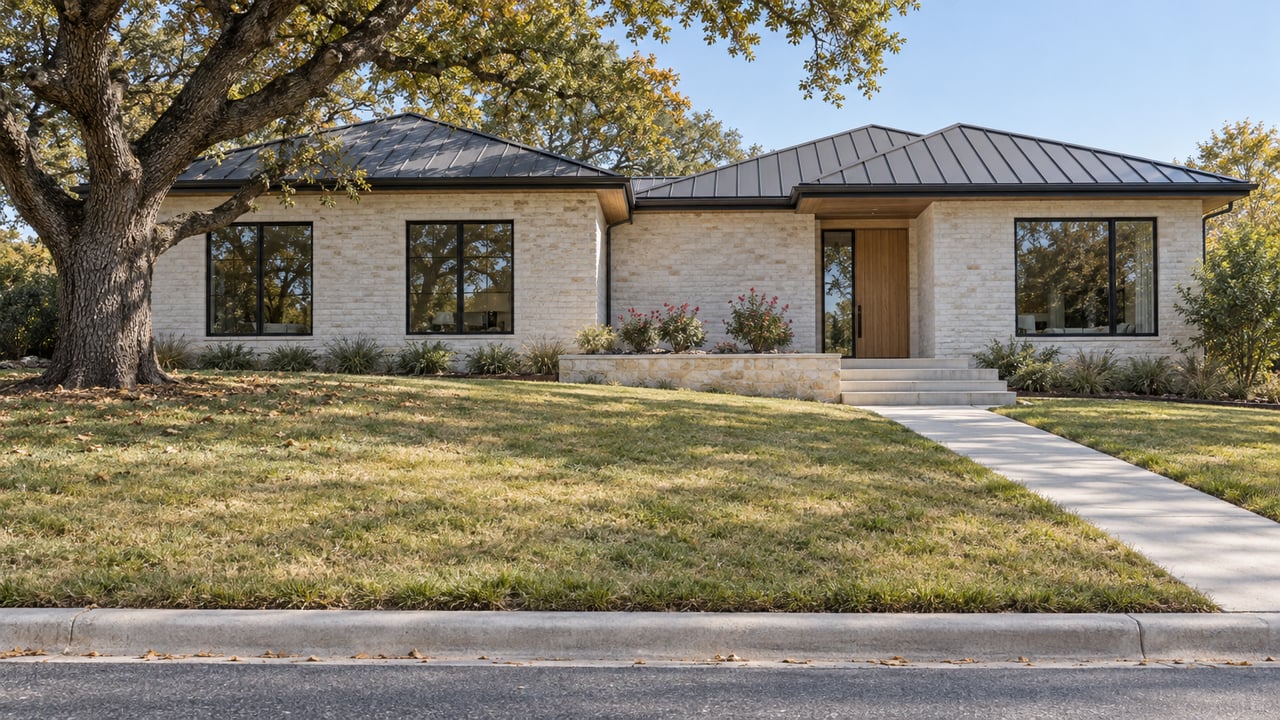
One of the most appealing things about this area is its layered housing stock. Zilker developed later than some other central Austin neighborhoods, and its older homes often include cottage and bungalow styles. Small ranch homes and modern styles became more common after the mid-1900s, which gives the neighborhood a mixed architectural feel.
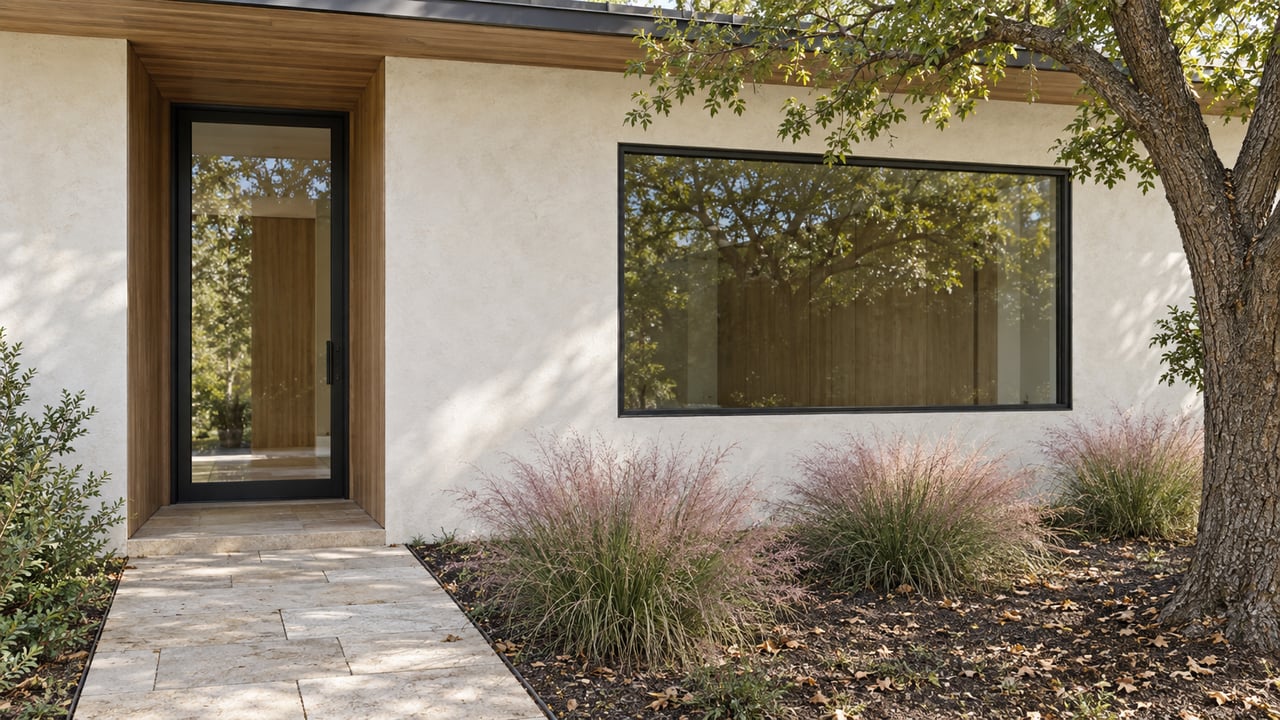
On some streets, you will notice an older Austin character with smaller-scale homes and porch-oriented streetscapes. On others, modern infill, duplexes, and larger remodels create a denser, more urban feel. If you are comparing homes here, the shift from one block to another can be significant.
Barton Hills Has a Distinct Identity
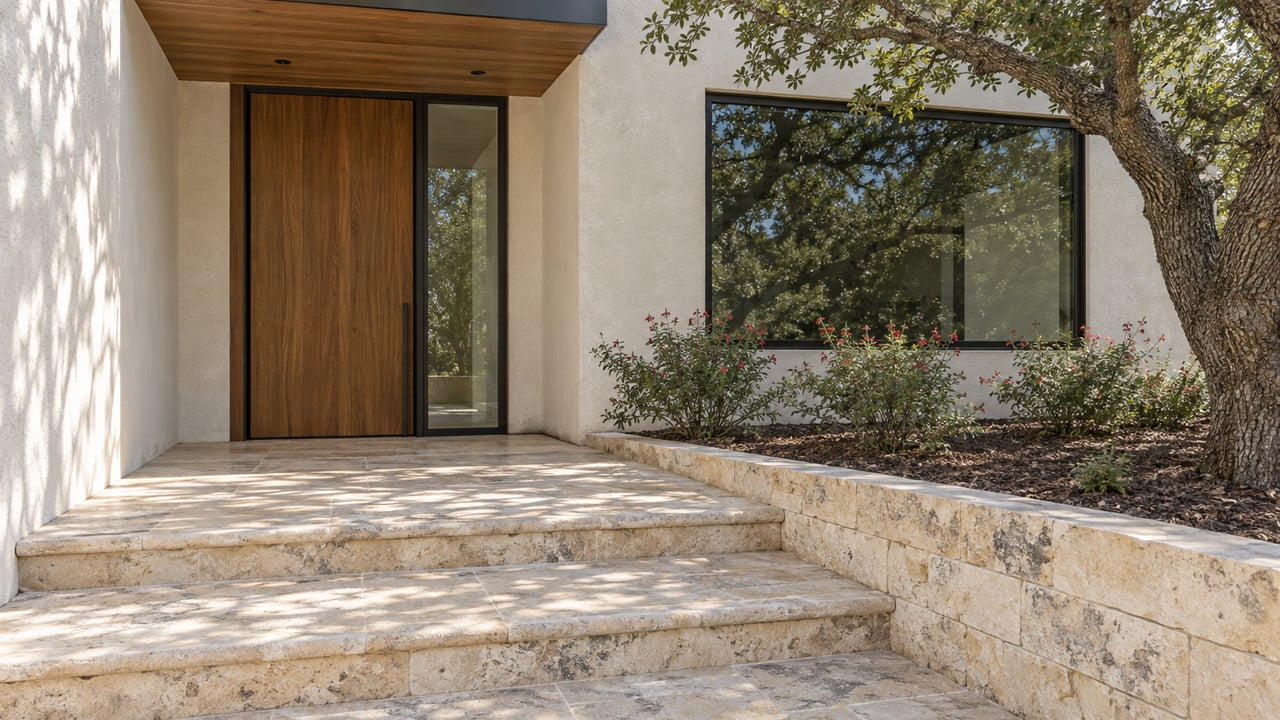
Barton Hills stands apart for its more wooded and hillside setting. Neighborhood history points to a cluster of postwar Contemporary homes built by A.D. Stenger, known for features like sloping roofs, clerestory windows, and decks extending into the trees. That architectural history gives some parts of Barton Hills a very different feel from Zilker’s cottages and bungalows.
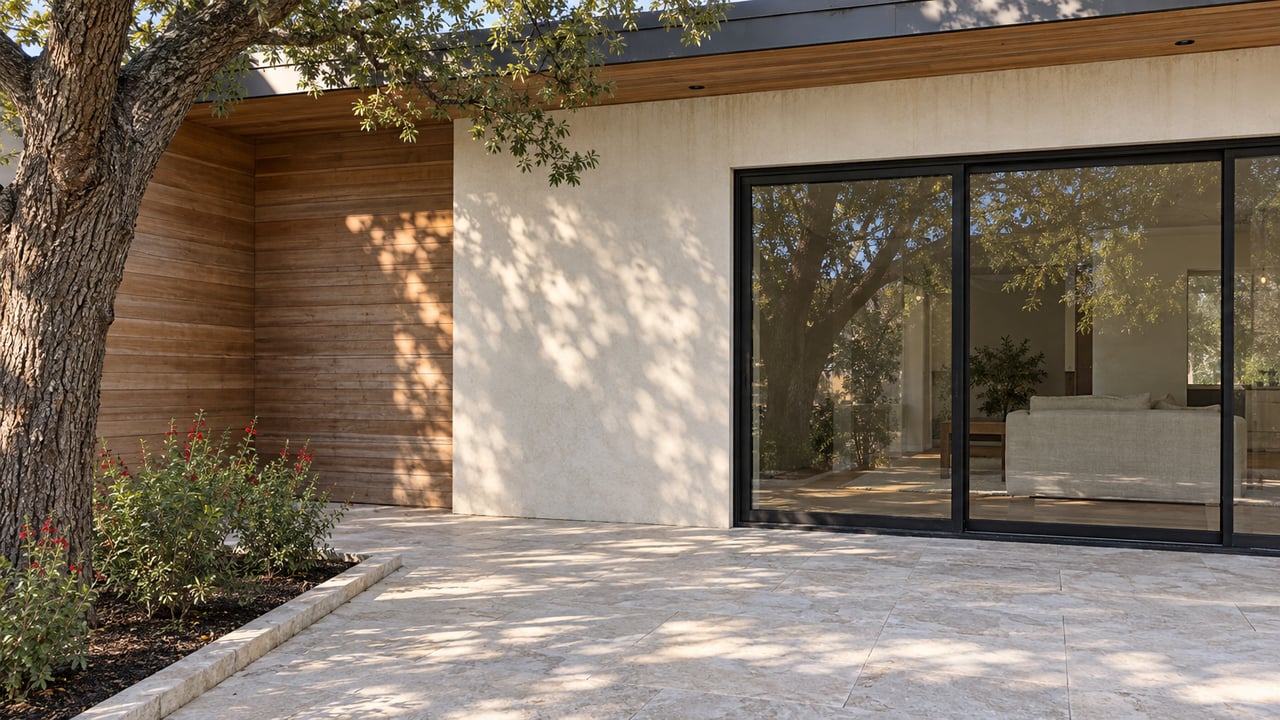
If you are drawn to indoor-outdoor living and homes that respond to topography, Barton Hills may stand out. It often feels more tucked into the landscape, with a quieter residential rhythm on interior streets.
How the Main Pockets Compare
The simplest way to think about the area is by lifestyle pocket rather than neighborhood name alone.
Park-Edge Zilker
Park-edge Zilker feels the most connected to public space. You are closest to Barton Springs, the Butler Trail, and many of the main park amenities. If your ideal routine includes frequent trail use, swims, and easy access to major outdoor destinations, this pocket may feel like the best fit.
South Zilker Park Access Zone
Neighborhood materials note that about 10% of Zilker Park lies south of Barton Creek. This section includes the south gate to Barton Springs Pool, sports fields, the Sunken Gardens, and part of the Butler Trail. That helps the south edge feel more like a park-access zone than a purely residential border.
Barton Hills Interior Streets
Barton Hills interior streets tend to feel quieter and more wooded. The hillside setting and concentration of Stenger-era homes contribute to a more tucked-away atmosphere. If you want outdoor access without feeling quite as close to the center of park activity, this pocket may appeal to you.
South Lamar Edge Blocks
Blocks closer to South Lamar often feel more corridor-driven. Mixed-use planning, mobility improvements, and easier access to commercial activity shape the experience here. If you want quicker access to a major spine while still staying close to trails and the park, this edge can offer a useful balance.
What Future Residents Should Consider
Before you move, it helps to weigh lifestyle fit alongside the home itself. In this part of Austin, the same address that feels perfect for one buyer may feel too active, too public, or too event-oriented for another.
A few questions can help clarify your priorities:
- How often do you expect to use Barton Springs, the Butler Trail, or the Greenbelt?
- Do you want a quieter hillside setting or a more connected park-edge location?
- How comfortable are you with event traffic and festival-related access changes?
- Would you rather be closer to South Lamar and key corridors, or tucked further into residential streets?
- Are you drawn to cottages and bungalows, modern infill, or midcentury Contemporary design?
The best move here usually comes down to matching your routine to the right micro-location. In Zilker and Barton Hills, that detail can shape your experience every day.
If you are exploring central Austin and want help narrowing the right pocket, home style, or off-market opportunity, John Lairsen (Travis Real Estate) offers the kind of local guidance that helps you move with confidence.
FAQs
What is daily life like in Zilker and Barton Hills?
- Daily life is strongly shaped by outdoor access, especially Barton Springs Pool, the Butler Trail, Zilker Park, and nearby Greenbelt trailheads.
What makes Zilker different from Barton Hills?
- Zilker often feels more park-facing and public-space oriented, while Barton Hills is generally more wooded, hillside-based, and architecturally distinct in some interior sections.
What types of homes are common in Zilker?
- Zilker includes a mix of cottages, bungalows, small ranch homes, modern infill, duplexes, and larger remodels.
What types of homes are common in Barton Hills?
- Barton Hills includes a range of homes, with some areas known for postwar Contemporary A.D. Stenger designs featuring sloped roofs, clerestory windows, and strong indoor-outdoor connections.
How important is Zilker Park to the area?
- Zilker Metropolitan Park is central to the district, spanning more than 350 acres and anchoring recreation, culture, and event activity for nearby residents.
How do major events affect living near Zilker Park?
- Major events like Austin City Limits Music Festival, Trail of Lights, and the ABC Kite Festival can change traffic, parking, and neighborhood rhythm during event periods.
Is it possible to live with less driving in Zilker or Barton Hills?
- In many cases, yes. Trail access, bike routes, and bus service along South Lamar and through the park can support a more car-light routine, depending on your exact location and lifestyle.