Wondering where you can spend a Saturday walking to coffee, browsing local art, and ending the day with a standout dinner close to downtown? Central East Austin has become one of those rare Austin areas where food, culture, and neighborhood character all show up in the same place. If you are exploring the area as a potential home base, this guide will help you understand what makes Central East Austin so compelling and how its lifestyle connects to the homes you will find here. Let’s dive in.
Why Central East Austin Stands Out
Central East Austin sits just east of I-35 from downtown, and its identity is shaped by both history and ongoing change. The City of Austin adopted the Central East Austin neighborhood plan in 2001, and today the area reflects a mix of long-standing residents, new families, entrepreneurs, artists, and students.
This is not a neighborhood that feels one-note. In East Cesar Chavez especially, you see a blend of older Austin character and newer energy through public art, streetscape improvements, pocket parks, local businesses, and active commercial corridors. That layered identity is a big part of why the area appeals to people who want a lifestyle-driven neighborhood, not just a convenient address.
Food in Central East Austin
For many buyers, Central East Austin first gets their attention through its dining scene. The East Side is widely recognized for being packed with restaurants, bars, cafes, and local gathering spots, and East Cesar Chavez remains one of the most visible parts of that story.
You can find a range of well-known spots in and around the neighborhood, including Kemuri Tatsu-ya, Las Cazuelas, Oseyo, Bufalina, De Nada, and Grizzelda’s in East Cesar Chavez. Nearby East Austin favorites also include Canje, Juan in a Million, Cuantos Tacos, Suerte, Paperboy, and la Barbecue.
Dining Feels Built Into Daily Life
What makes the area stand out is not just the number of places to eat. It is the way restaurants are woven into everyday living. You are not planning a once-a-month outing here. You are more likely choosing between a quick taco stop, a patio dinner, or a casual meet-up with friends without leaving the neighborhood.
That kind of convenience matters when you are thinking about where to live. A neighborhood with a strong dining core often supports a more connected day-to-day routine, especially if you value being close to independent businesses and active streets.
Coffee and Daytime Hangouts
Coffee culture is another major part of Central East Austin’s appeal. In this part of Austin, cafes often function as social spaces, work spots, and neighborhood anchors all at once.
Visit Austin highlights Flat Track Coffee in East Cesar Chavez, along with Flitch, Quickie Pickie, and Try Hard Coffee Roasters elsewhere in East Austin. The return of Cenote on Seventh Street is another example of how the cafe scene continues to evolve.
Why Cafes Matter to Buyers
If you work remotely, enjoy walkable routines, or simply want more local places to spend time, cafes can tell you a lot about a neighborhood. In Central East Austin, they add to the sense that the area supports a full lifestyle, not just housing.
That can be especially appealing if you are relocating from another urban market and want a neighborhood where daytime energy feels just as strong as the dinner crowd. It also helps explain why this area attracts buyers who value a mix of convenience, creativity, and street-level activity.
Culture Is Visible Here
Central East Austin is not only about restaurants and coffee. It is also one of the parts of Austin where culture is especially visible in everyday spaces.
The City of Austin identifies the African American Cultural Heritage District as an East Austin cultural district centered on Black history, public art, historic churches, and schools, with Six Square as the district management entity. The Govalle Cultural District, designated in 2025, also adds to the broader creative identity of East Austin through community programming and local businesses.
Places That Reflect the Area’s Creative Identity
You can see that cultural presence through landmarks and institutions across the east side. The African American Cultural & Heritage Facility at 912 East 11th Street includes the restored Dedrick-Hamilton House, an African American visitors center and art studio, and a public mural tied to Austin’s Black history.
Other places that contribute to the broader cultural ecosystem include the George Washington Carver Museum, Huston-Tillotson University, Resistencia Bookstore, Take Heart, Charm School Vintage, and Ground Floor Theatre. For many buyers, these places help define the area as more than trendy. They give it depth, continuity, and a stronger sense of place.
Public Art Adds to the Street Experience
Austin’s Art in Public Places program commissions site-specific works that reflect the history, culture, and values of local communities. In Central East Austin and the surrounding east side, that matters because art is not tucked away. It appears in civic spaces and streetscapes where you experience it as part of daily life.
For an arts-forward buyer, the Austin Studio Tour is another meaningful signal. East-side anchors at 2324 E Cesar Chavez and 916 Springdale Road reinforce how deeply creative activity is woven into this part of the city.
The History Behind the Neighborhood
To understand Central East Austin, it helps to understand some of the history behind it. The area’s identity is closely tied to Austin’s segregation-era past.
City historic preservation materials note that the 1928 city plan restricted services east of East Avenue, now I-35. In June 2026, the city launched a new East Austin Historic Resource Survey as a major update and expansion of an earlier survey of Central East Austin.
Why That History Matters Today
The current survey covers homes, parks, and other longstanding resources in an area stretching from Manor Road to Lady Bird Lake between Airport Boulevard and I-35. It focuses on properties built before 1983 as they approach the 50-year eligibility standard used in historic review.
For buyers, this history helps explain why the neighborhood can feel so layered. You are seeing an area that continues to change while also holding a large collection of older homes, community landmarks, and historically important places.
What Homes Look Like in Central East Austin
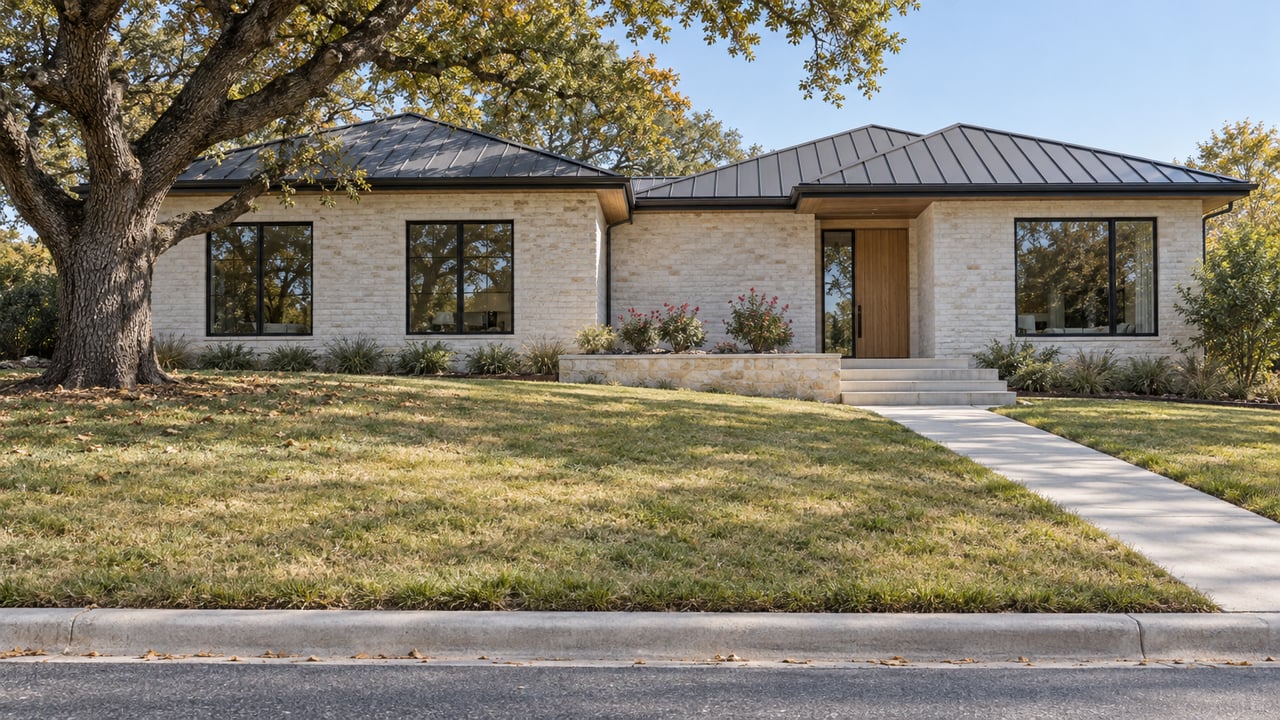
If you are considering a move here, the housing stock is one of the biggest reasons to look more closely. Central East Austin is best understood as a neighborhood where older homes, thoughtful renovations, and scaled new builds coexist.
The Central East Austin Neighborhood Plan specifically supports preserving and enhancing existing housing stock while also allowing for infill and a wider range of housing options. That means you may see older single-family homes on one block, then newer duplexes, triplexes, small-lot homes, or accessory apartments nearby.
Older Homes Still Shape the Area
Older single-family homes and historic houses remain central to the neighborhood’s identity. The city’s historic survey work and preservation efforts show how important these longstanding properties are to the area’s story.
If you are drawn to charm, lot character, or the idea of living in a home with architectural history, this can be a meaningful part of the appeal. At the same time, renovation quality matters, especially in areas where preservation sensitivity can play a role.
Newer Infill Adds More Options
The neighborhood plan also supports urban homes, small-lot amnesty, mixed-use development along commercial corridors, and new multifamily where appropriate. For buyers, that translates into more variety than you might expect from an older central neighborhood.
You may find opportunities in newer infill homes, condos, townhome-style product, or mixed-use settings near neighborhood-serving businesses. That can make Central East Austin appealing to buyers who want a modern layout and lower-maintenance living while still staying close to the energy of the east side.
Why Lifestyle and Housing Fit Together
In some neighborhoods, the home search and the lifestyle search feel separate. In Central East Austin, they are closely linked.
If you want easy access to restaurants, coffee shops, public art, and cultural destinations, the area gives you that in a concentrated way. If you also value a neighborhood with a mix of historic character and new housing possibilities, Central East Austin checks both boxes.
That combination is a big reason the area continues to attract attention from buyers who want more than square footage. They want a place that feels active, rooted, and connected to Austin’s broader story.
What to Consider as a Buyer
If Central East Austin is on your list, it helps to look beyond aesthetics and think about fit. A beautiful renovation, a well-designed new build, and a mixed-use residence can all make sense here, but they offer different day-to-day experiences.
As you compare options, it is useful to consider:
- How close you want to be to dining and nightlife activity
- Whether you prefer an older home or newer construction
- How much value you place on walkability and local gathering spots
- Whether cultural landmarks and public art are part of the lifestyle you want
- How important corridor access and downtown proximity are to your routine
In a neighborhood as layered as Central East Austin, the best choice often comes down to how you want to live, not just what style of property you prefer.
If you are considering Central East Austin and want a polished, local perspective on neighborhood fit, housing options, and off-market possibilities, connect with John Lairsen (Travis Real Estate). Their team brings deep Austin knowledge and a high-touch approach to helping you find the right opportunity.
FAQs
What makes Central East Austin appealing for food lovers?
- Central East Austin offers a dense mix of local restaurants, cafes, and bars, especially around East Cesar Chavez, with well-known spots like Bufalina, De Nada, Grizzelda’s, Kemuri Tatsu-ya, and nearby favorites across East Austin.
What kind of culture can you find in Central East Austin?
- Central East Austin connects to major parts of East Austin’s cultural landscape, including the African American Cultural Heritage District, public art, the African American Cultural & Heritage Facility, museums, bookstores, theaters, and creative hubs.
What types of homes are common in Central East Austin?
- You will find a mix of older single-family homes, historic houses, renovated properties, duplexes, triplexes, small-lot homes, accessory apartments, and some mixed-use or multifamily housing along commercial corridors.
Is Central East Austin a good fit if you want walkable daily routines?
- The area is known for having many dining, coffee, and cultural destinations close together, which can support a more walkable and connected daily lifestyle.
Why is Central East Austin’s history important for homebuyers?
- The neighborhood’s history helps explain its mix of older homes, cultural landmarks, and preservation efforts, all of which shape how the area looks, feels, and evolves today.