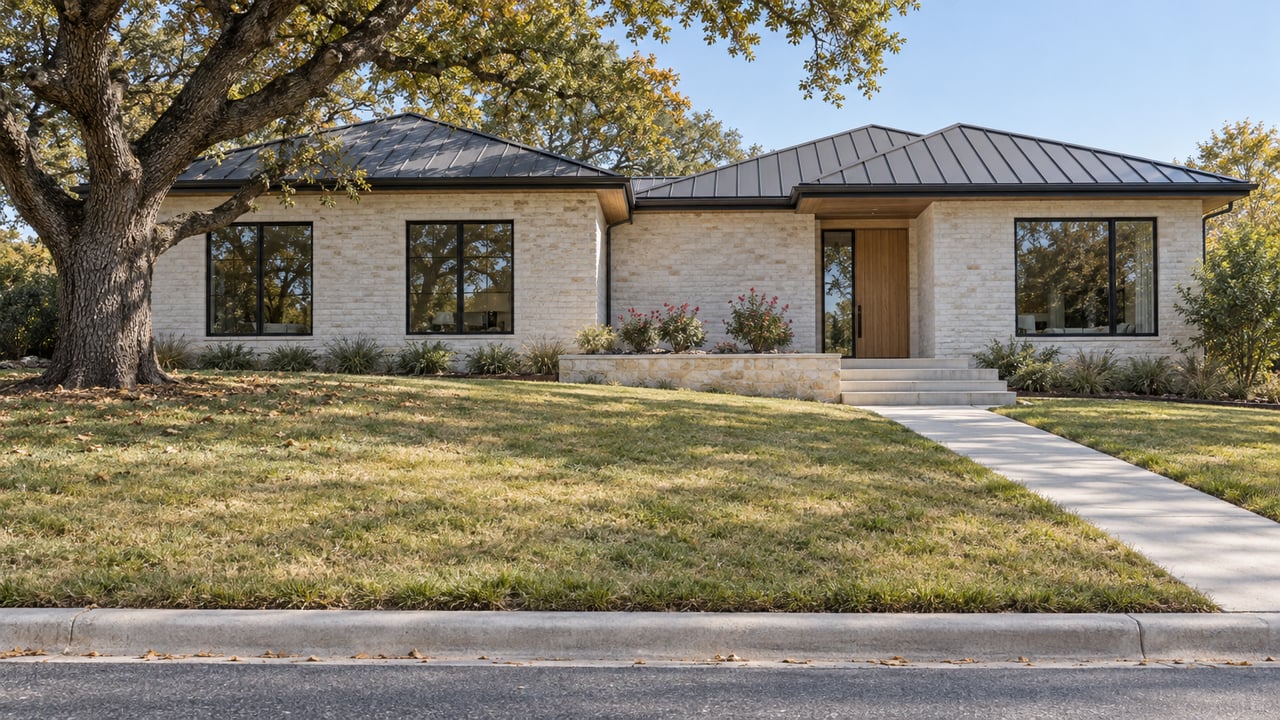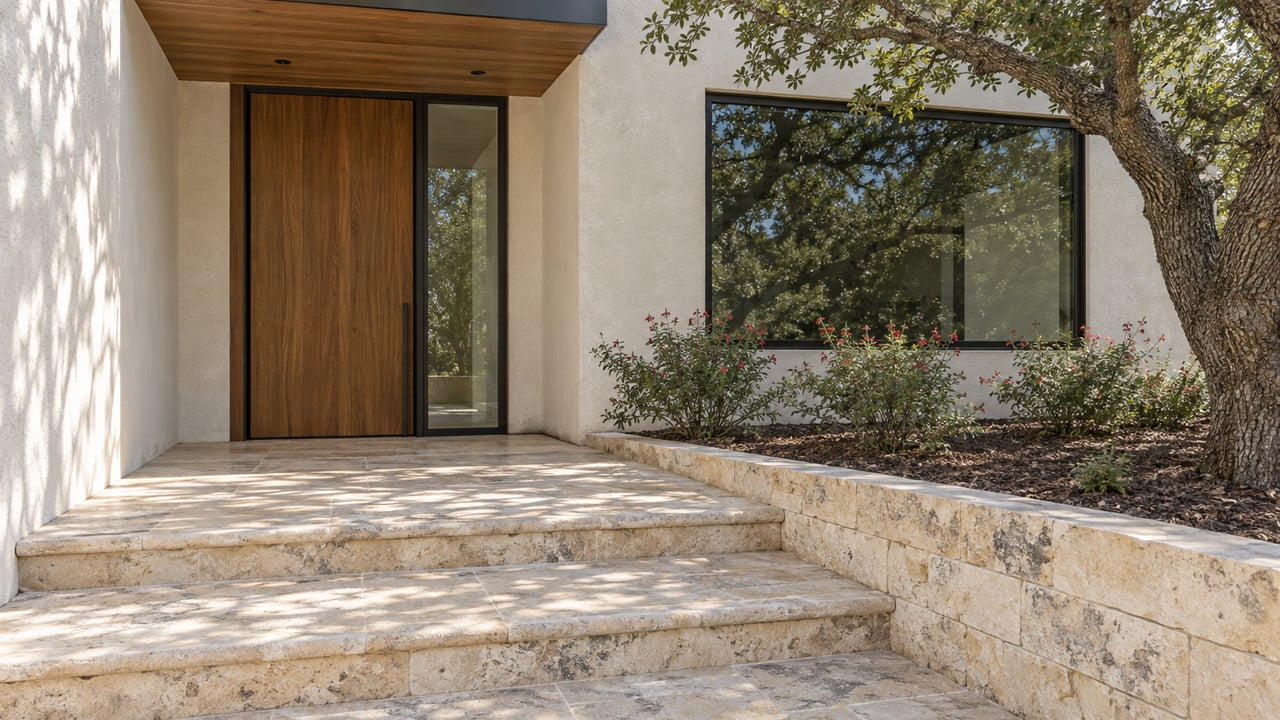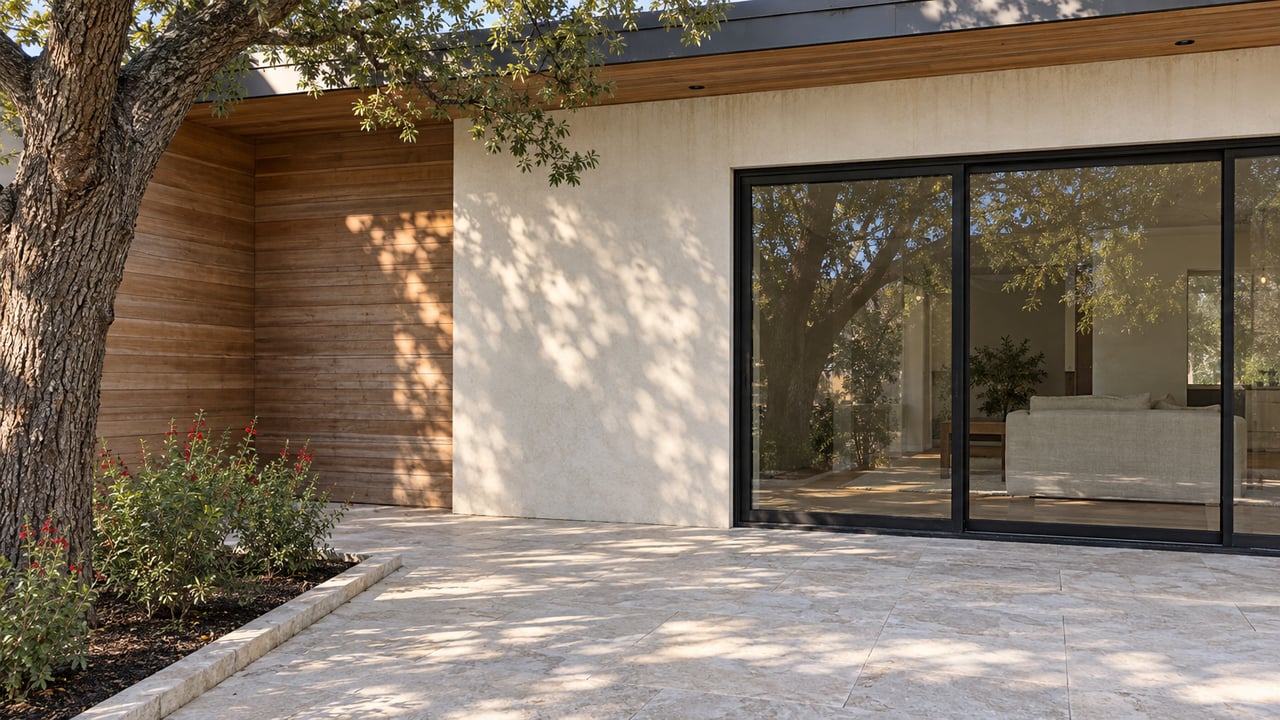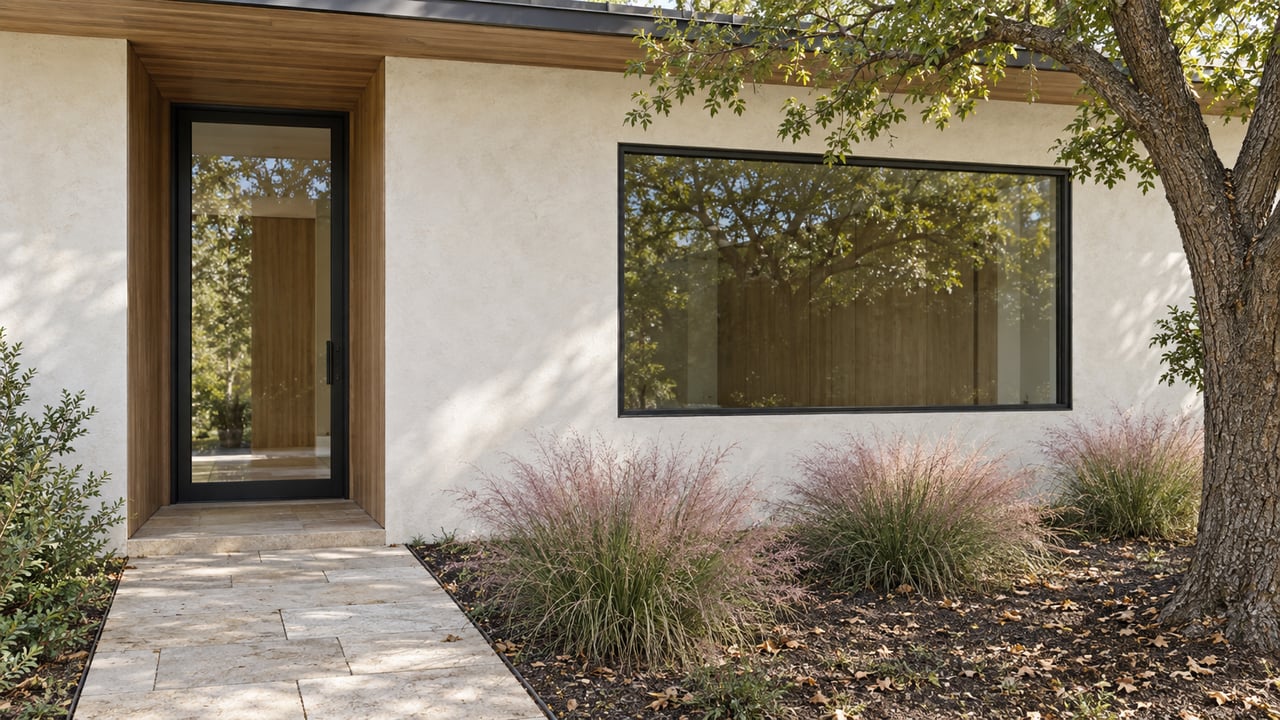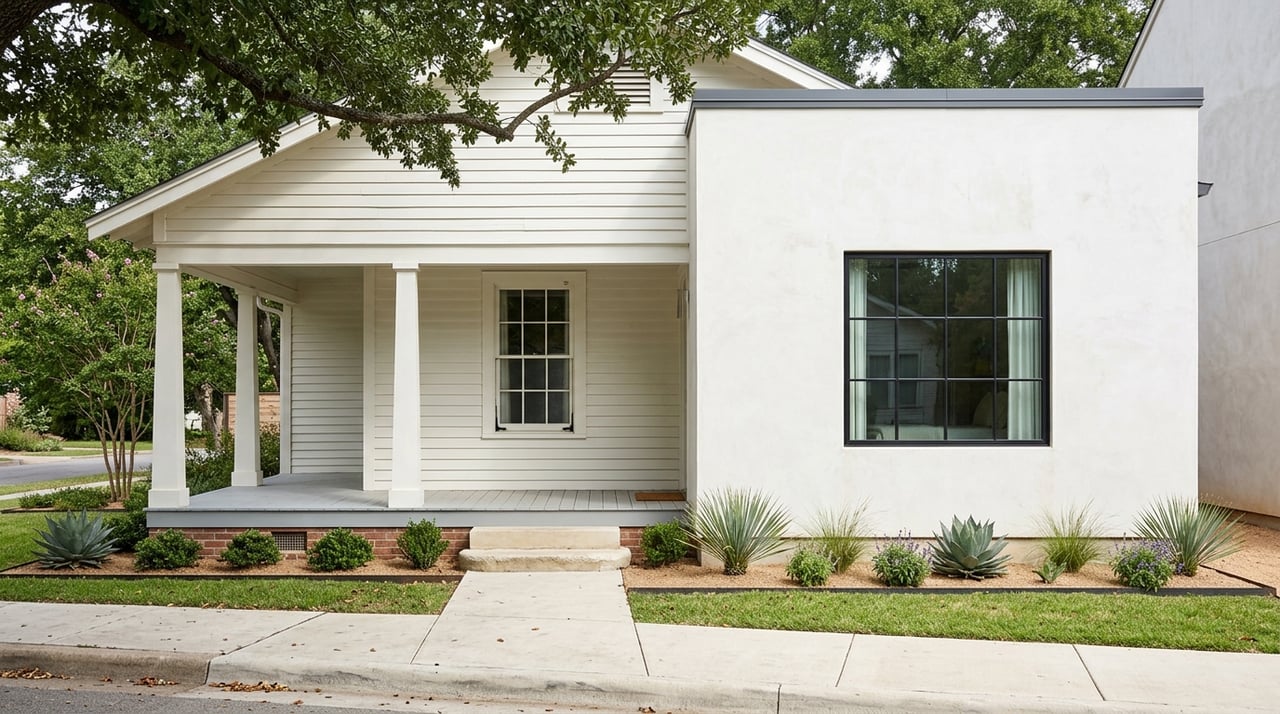
Wondering whether to remodel or rebuild in Travis Heights or Bouldin? In these close-in Austin neighborhoods, that choice is rarely just about construction cost or design taste. You also need to think about historic review, neighborhood planning, site constraints, and what will feel compatible on the block. This guide will help you weigh the tradeoffs, spot the common project paths, and make a more confident decision. Let’s dive in.
Why This Decision Is Different Here
In Travis Heights and Bouldin, your property does not exist in a vacuum. Both areas have strong neighborhood identity, long-established housing patterns, and planning frameworks that shape what tends to work.
Travis Heights includes the Travis Heights-Fairview Park National Register Historic District, which was listed in 2021. In the Greater South River City Combined Neighborhood Plan, residents highlighted homes and architecture, trees, proximity to downtown, Stacy Park and Blunn Creek, quiet, and neighborhood diversity as important features, while traffic, land use and zoning, environmental protection, historic preservation and neighborhood character, and parking came up as recurring concerns.
Bouldin Creek has its own adopted neighborhood plan dating to 2002. That plan notes that the neighborhood’s historic fabric remains relatively unchanged, and that parts of the area may be a candidate for local historic district status.
That matters because a remodel-versus-rebuild decision here is not just about what you can imagine. It is also about what is likely to be reviewable, approvable, and well received from the street.
What Usually Favors a Remodel
In many cases, remodel is the more natural path when the existing house still carries the features that define the block. If the porch, roofline, and street-facing massing are the home’s strongest assets, keeping and improving them can be the lower-friction move.
That pattern shows up in recent city review examples. In Travis Heights, the city reviewed a remodel and garage-apartment replacement at 409 East Monroe, and a carport enclosure with a second-story addition at 1908 Kenwood. In Bouldin, staff encouraged rehabilitation and adaptive reuse before demolition on a 1935 bungalow at 606 Copeland.
A remodel often makes sense when you have:
- A house with recognizable original character
- A front elevation that already fits the street
- A structure that is still workable
- A lot where a rear addition can solve space needs
- A goal of improving function without changing the block presence too much
In practical terms, that can mean preserving the main bungalow and adding a rear porch, rear wing, carport improvement, or a small rear unit where rules allow. In these neighborhoods, subtle changes that protect the home’s street relationship can carry a lot of value.
What Usually Favors a Rebuild
A rebuild starts to make more sense when the existing shell is compromised, the floor plan is too inefficient to fix well, or the site can support a new structure that still reads as compatible from the street. This is less about building the largest possible house and more about creating a coherent result that works with the lot and the block.
In Travis Heights, permit activity has included new construction on an open lot at 303 East Live Oak. That kind of example points to an important distinction: new construction can work here, but it tends to do best when the massing is scaled appropriately and responds to the district context.
A rebuild may be worth serious consideration when you have:
- Major structural or shell problems
- A layout that cannot be improved efficiently
- A site with enough depth or width for a compatible new plan
- A strategy that depends on rethinking the full building form
- A property where entitlement and design can be modeled together from day one
Even then, compatibility still matters. In Bouldin especially, design guidance emphasizes maintaining the single-family character of the interior, keeping houses mostly one story, using simple rectangular or L-shaped footprints with the narrow end facing the street, and using simple gabled or hipped roofs with low-to-moderate pitch.
Historic Review Can Change the Math
Historic review is one of the biggest reasons this decision feels different in Travis Heights and Bouldin than in other parts of Austin. Austin states that properties in National Register historic districts are subject to advisory historic review. The city’s permit matrix also shows that exterior changes, demolition and relocation, and new construction on those properties are reviewed by the Historic Preservation Office and sometimes the Historic Landmark Commission.
There is another key threshold to keep in mind. Residential structures that are 45 years or older also require Historic Preservation Office review and may be referred to the Commission. If demolition is approved, the applicant typically must file a documentation package before the permit is released.
For you, this means the fastest-looking path on paper may not be the smoothest path in practice. A remodel that works with the existing form may move through review more cleanly than a teardown proposal that triggers more scrutiny.
Zoning Rules Also Affect Feasibility
Austin zoning controls use, building height, setbacks, impervious cover, and similar site rules. Special combining districts can further modify those standards, and the city notes that Neighborhood Conservation Combining Districts are intended to preserve and protect older neighborhoods that were substantially built out more than 30 years ago.
Bouldin also has an area-wide garage-placement design tool for single-family, duplex, and two-family residential uses. That is a strong clue that how the garage meets the street is not a minor detail there. It is part of the neighborhood’s design logic.
If your plan depends on adding units rather than simply replacing the main house, current HOME rules matter too. Austin states that duplex, two-unit, and three-unit residential uses now have a 40 percent maximum building coverage and 45 percent maximum impervious cover, with garages and carports counting toward both. The city also says an accessory dwelling unit may be possible on SF-1, SF-2, or SF-3 lots that are at least 5,750 square feet, subject to other requirements and deed restrictions.
Site Conditions Matter More Than You Think
In Travis Heights especially, site conditions can push the answer one way or the other. National Register materials describe a high percentage of bungalows and broad thoroughfares, while current permit files in the district repeatedly reference sloped sites, elevated front approaches, and stone stair walls.
That means a project is never just about square footage. Grade changes, front approach, retaining features, and how the home sits on the lot can all influence whether keeping the existing structure is smarter than starting over.
If the existing house already handles the slope and front relationship well, remodeling may preserve value that would be hard to recreate. If the site is underused or the current structure fights the lot, a rebuild may offer a cleaner long-term solution.
Common Project Paths in These Neighborhoods
Most projects in Travis Heights and Bouldin tend to follow a few recognizable paths.
Keep the bungalow and build behind it
This is often the most neighborhood-friendly route. You preserve the front house character and solve function at the rear with a porch, small addition, carport work, or rear unit where allowed.
Expand with a second story or rear wing
This path can work when the original home still anchors the street well. The challenge is keeping the addition from overwhelming the existing scale and roof form.
Build new on the lot
This tends to work best when the lot conditions and entitlement path are clear from the start. The strongest new homes usually respect the street-facing scale, orientation, and roof logic of nearby homes.
Explore mixed-use on corridor-edge sites
On certain Bouldin corridor-edge parcels, the more relevant question may not be residential remodel versus residential rebuild. Recent city actions at West Mary, Dawson, and South 2nd Street moved Future Land Use Map designations or zoning toward mixed use, which shows that some edge locations may support a different strategy entirely.
Resale Often Rewards Compatibility
If resale matters, there is a useful takeaway here: the strongest end product is often not the biggest one. It is usually the one that looks like it belongs on the street.
That idea is supported by neighborhood priorities in Travis Heights around architecture, trees, and historic preservation, along with district review standards that emphasize compatible massing, materials, orientation, and site response. Buyers in these areas often respond well to homes that preserve porch rhythm, roof form, and the landscape relationship of the block.
This does not mean you should avoid meaningful upgrades. It means your investment tends to tell a stronger story when the finished result feels settled into the neighborhood rather than imposed on it.
A Simple Way to Evaluate Your Options
If you own a property in Travis Heights or Bouldin, start with these questions:
- Does the existing home still contribute positively to the street?
- Is the structure sound enough to justify keeping?
- Can your space needs be solved with a rear addition or selective expansion?
- Will historic review likely favor rehabilitation over demolition?
- Does the lot support a new build that can remain compatible from the street?
- Are garage placement, coverage, slope, and impervious cover likely to limit your plan?
- Are you optimizing for long-term livability, resale, development potential, or some combination?
If the lot and existing structure can produce a coherent, reviewable, street-compatible result, remodel plus selective addition is often the lower-friction path. If not, rebuild can still be the right answer, but the entitlement, design, and resale story should be modeled together from the beginning.
For owners, buyers, and small-scale investors alike, that early clarity can save time, reduce design churn, and help you choose a path that fits both the property and the neighborhood.
If you are weighing a remodel, teardown, or future resale strategy in Travis Heights or Bouldin, John Lairsen (Travis Real Estate) can help you evaluate the property through a neighborhood-specific lens.
FAQs
Should you remodel or rebuild a bungalow in Travis Heights?
- If the porch, roofline, and street-facing massing are still strong and the structure is workable, remodeling is often the more compatible path.
What historic review applies to Travis Heights properties?
- Properties in the Travis Heights-Fairview Park National Register Historic District are subject to advisory historic review, and exterior changes, demolition, relocation, and new construction may be reviewed by the Historic Preservation Office and sometimes the Historic Landmark Commission.
What design factors matter most for rebuilding in Bouldin?
- Bouldin guidance emphasizes street compatibility, mostly one-story forms in the interior, simple rectangular or L-shaped footprints, and simple gabled or hipped roofs with low-to-moderate pitch.
Can you add an ADU in Travis Heights or Bouldin?
- Austin says an accessory dwelling unit may be possible on SF-1, SF-2, or SF-3 lots that are at least 5,750 square feet, subject to other requirements and deed restrictions.
How do Austin coverage rules affect a rebuild plan?
- For duplex, two-unit, and three-unit residential uses, Austin states there is a 40 percent maximum building coverage and 45 percent maximum impervious cover, and garages and carports count toward both.
Does a bigger house always improve resale in Travis Heights or Bouldin?
- Not necessarily. In these neighborhoods, projects that maintain compatible scale, roof form, porch rhythm, and landscape relationship often tell the strongest resale story.