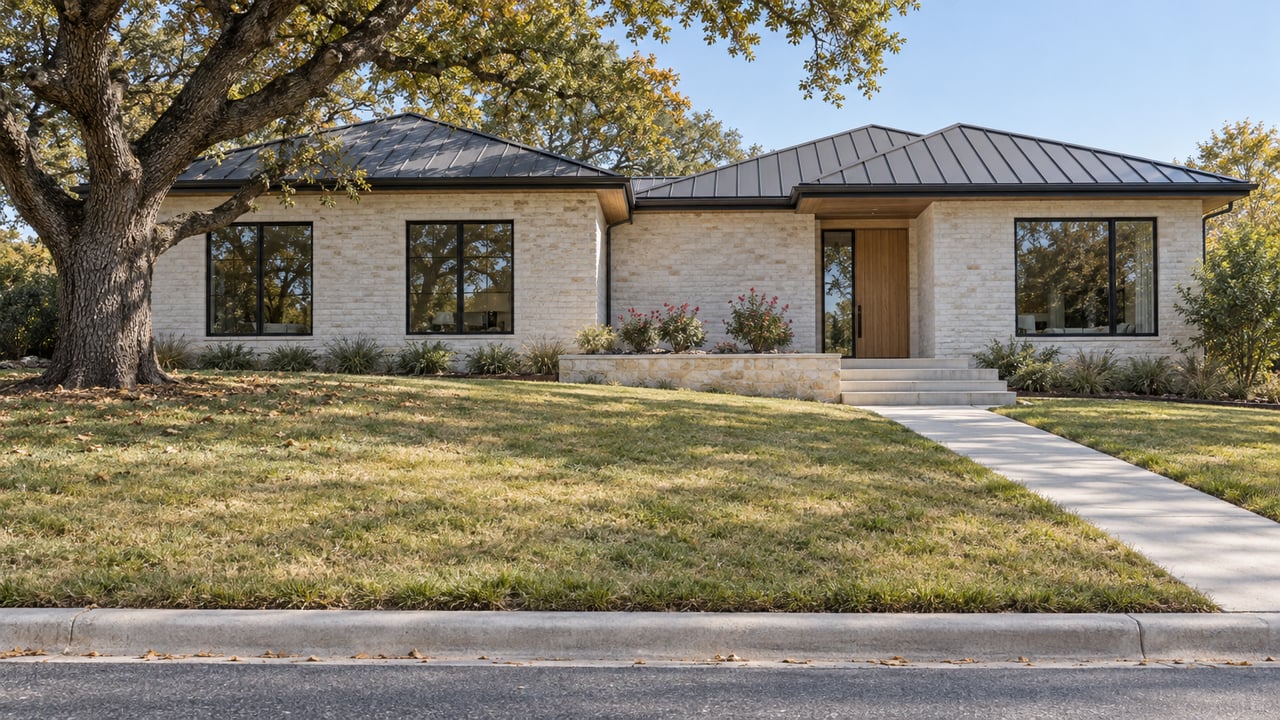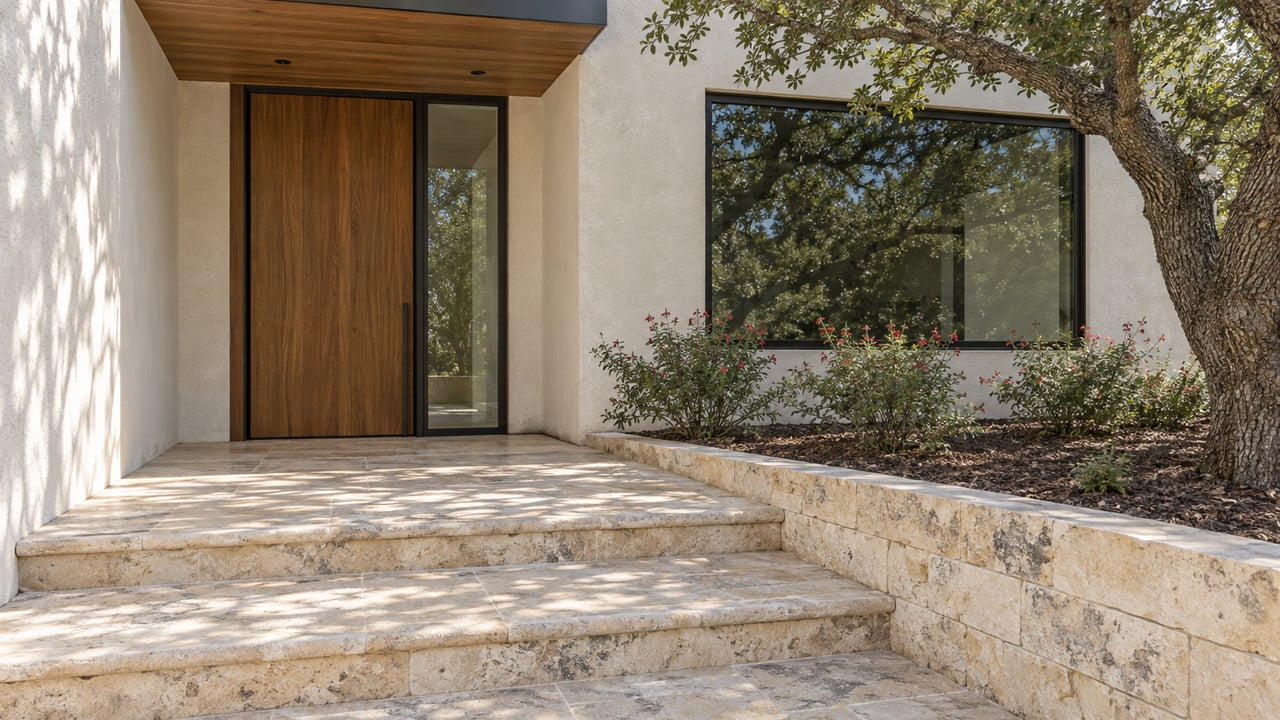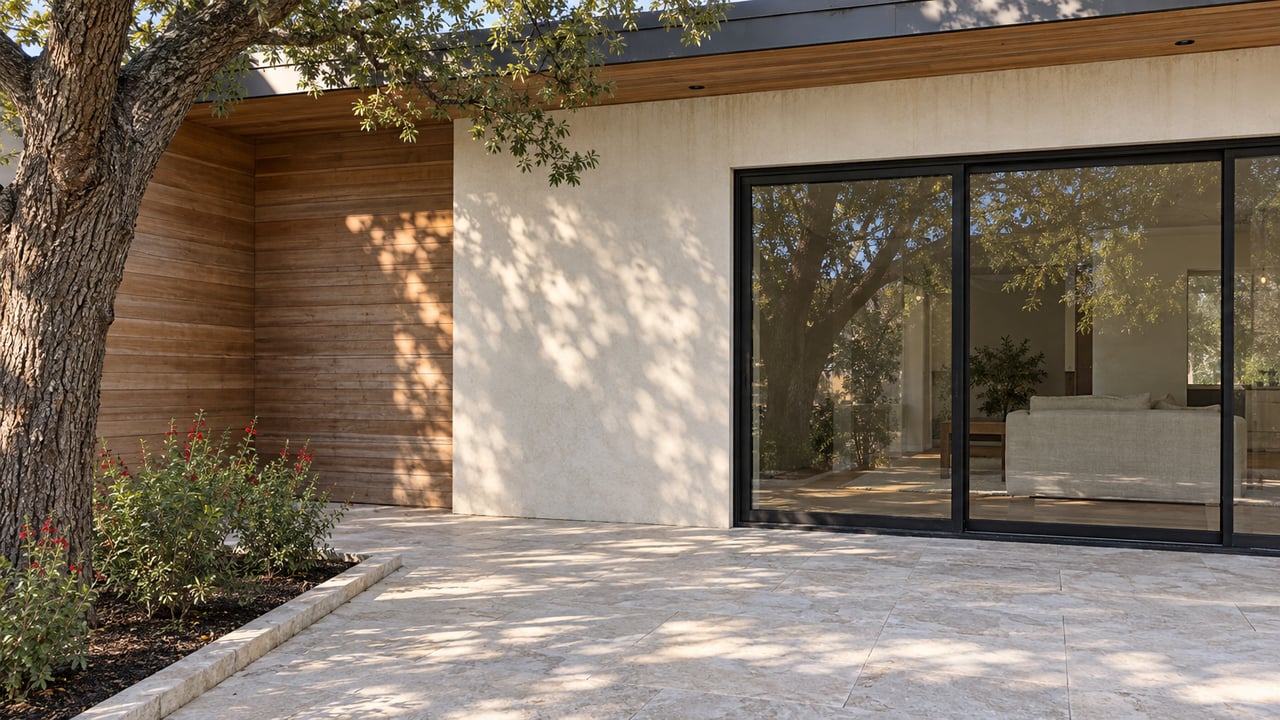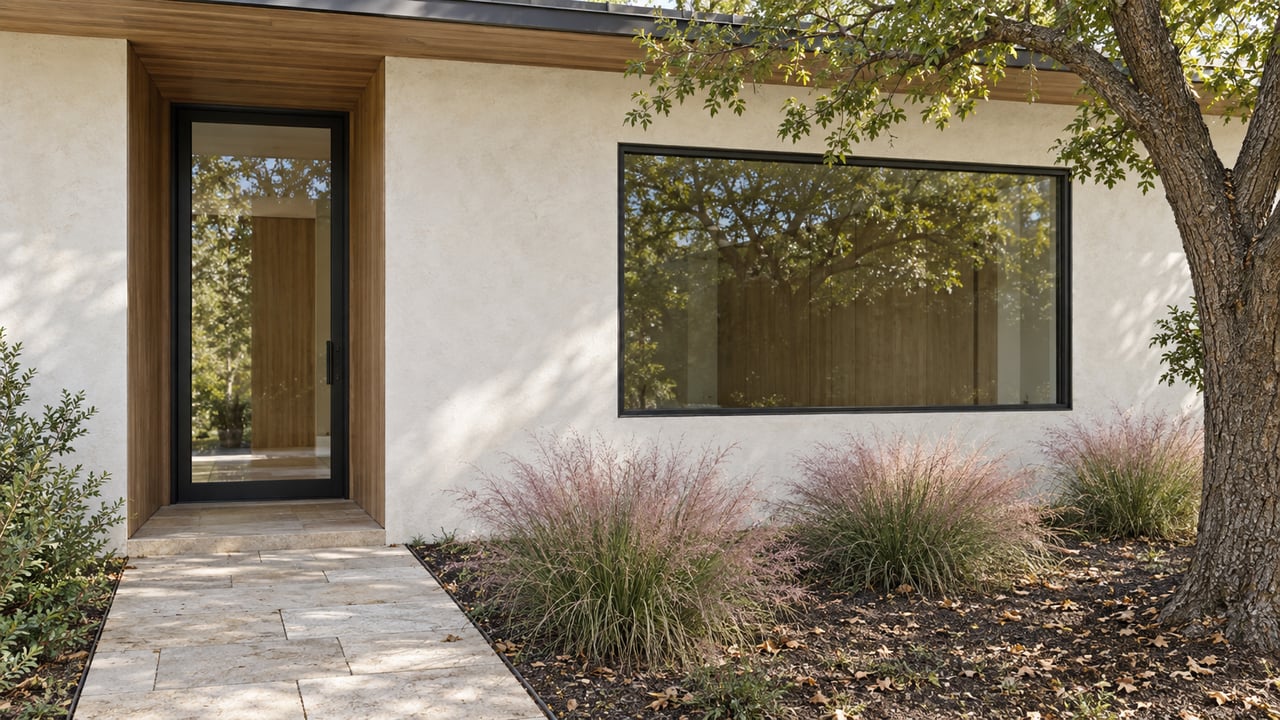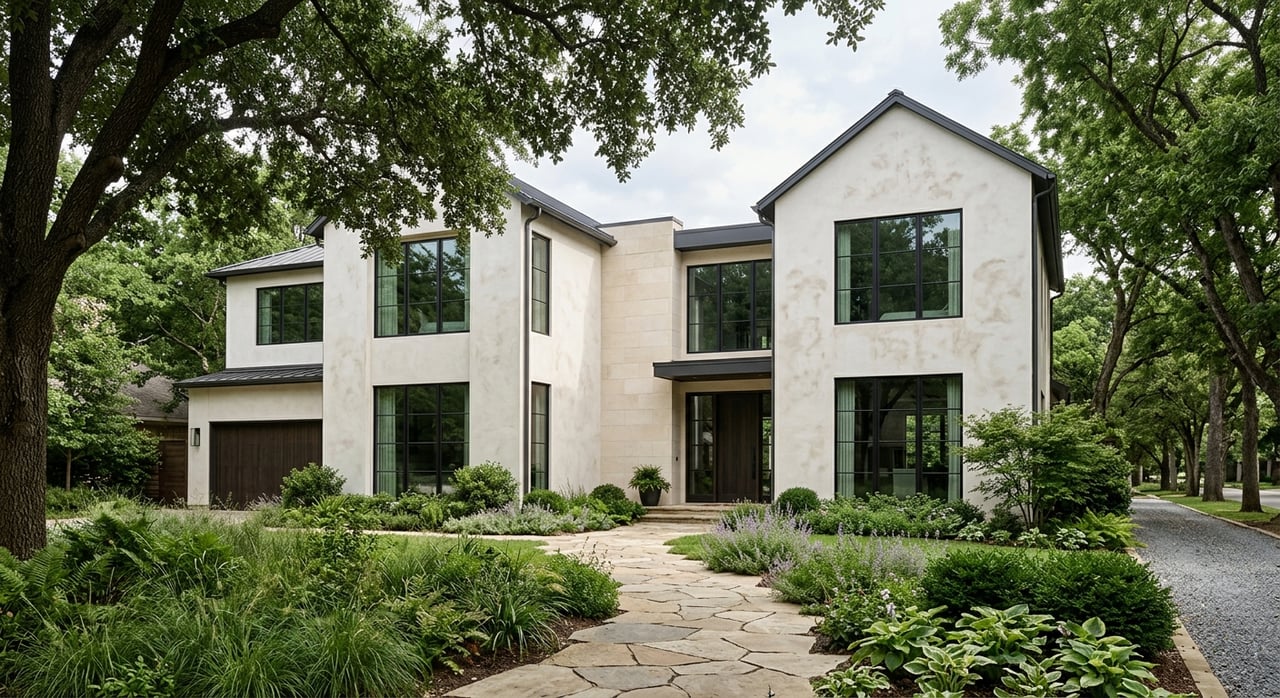
If you want a neighborhood that feels tucked away without feeling cut off, Rollingwood stands out fast. You get a small-city setting, easy access to central Austin, and a daily rhythm shaped by parks, trees, and neighborhood traditions. For many buyers, that balance is exactly the point. Let’s take a closer look at what everyday life in Rollingwood really feels like.
Rollingwood at a Glance
Rollingwood sits on the west bank of Lady Bird Lake, between West Lake Hills and Austin. The city describes itself as a close-knit small-town community, and that shows up in how the area is planned and used day to day. It feels residential and connected, with a pace that is more outdoorsy and neighborhood-focused than intensely urban.
The city’s comprehensive planning also points to a strong local preference for a walkable, tree-filled, connected environment. In practical terms, that means many residents use neighborhood streets for walking, biking, exercise, and dog walking. If you value a setting where being outside is part of daily life, Rollingwood makes that easy.
Outdoor Living Shapes the Routine
In Rollingwood, outdoor space is not just a bonus. It is part of the neighborhood’s identity. Daily life often centers around nearby green space, whether you are heading out for a walk, spending time at the park, or taking advantage of the area’s proximity to major Austin recreation spots.
Rollingwood Park as a Community Hub
Rollingwood Park is the neighborhood’s main shared outdoor space and sits in the heart of the city. According to the park master plan, it covers about eight acres and includes both upper and lower sections. That layout gives the park a little variety, which helps it serve many different kinds of everyday use.
The park includes playgrounds, swings, a pavilion, ball fields, adult exercise equipment, restrooms, a community garden, and a walking trail. Park hours run from dawn to dusk, which supports everything from an early walk to an afternoon visit with family or friends. The trail loops around the upper fields and down through the lower park, making it easy to build a quick walk into your routine.
What makes the park feel especially local is its history. The city notes that many amenities, including the community garden, were shaped through resident organizing and fundraising. That kind of hands-on civic involvement often says a lot about how people relate to the place they live.
Easy Access to Zilker Park
One of Rollingwood’s biggest lifestyle advantages is how close it is to Zilker Park. The city notes that Rollingwood abuts the west side of Zilker, placing one of Austin’s most recognized outdoor destinations right next door. That gives residents unusually convenient access to a large green space with a wide range of recreational options.
Austin Parks and Recreation describes Zilker Park as Austin’s oldest metropolitan park and identifies key features like Barton Springs Pool, the Butler Hike-and-Bike Trail, Barton Creek Trail, and major event spaces. For someone living in Rollingwood, these are not distant weekend destinations. They can be part of your regular routine.
A Small-City Feel With Real Community Rhythm
Rollingwood’s small size does not mean a quiet or disconnected civic life. In fact, one of the area’s defining traits is how much community activity is woven into the calendar. The result is a neighborhood that often feels engaged and participatory rather than anonymous.
Local Traditions Matter Here
The city’s history page highlights long-running events at the park pavilion, including Easter egg hunts, Fourth of July gatherings, and children’s birthday parties. These details help paint a picture of daily life that feels personal and neighborhood-based. Instead of relying only on nearby city amenities, Rollingwood has its own traditions that anchor the community.
The Rollingwood Women’s Club, founded in 1958, also plays a role in this rhythm. Its mission includes promoting resident welfare and beautification, and its listed activities include Eggstravaganza, a 5K Fun Run, and the Fourth of July parade and celebration. For many buyers, that kind of recurring local tradition adds a layer of continuity that is hard to measure but easy to appreciate.
Civic Engagement Is Visible
Rollingwood also has an active civic calendar. The city calendar shows recurring meetings for City Council, the Park Commission, Planning and Zoning Commission, the Utility Commission, and the Community Development Corporation. That suggests a municipality where local governance is active and visible.
For residents, this can translate into a stronger sense of connection to how the city evolves. It also reflects the practical reality of living in a small incorporated community with its own priorities, planning process, and public investments.
Convenience Is Part of the Appeal
Rollingwood offers a setting that feels residential, but it is not remote. The city describes the area as having a growing commercial district with eateries, retail businesses, and professional offices. That helps support daily convenience without changing the neighborhood’s overall feel.
The park master plan also notes that Rollingwood is only four miles from Downtown Austin. That distance matters if you want quick access to central business districts, dining, cultural destinations, and everyday errands while still coming home to a quieter setting. For many buyers, this is one of Rollingwood’s strongest lifestyle advantages.
The Tradeoff of Living Next to Zilker
Every neighborhood has tradeoffs, and Rollingwood is no exception. One of the practical realities of living beside Zilker Park is that major events can affect parking and access. The city has posted special-event parking-pass notices tied to Zilker gatherings, which signals that event traffic is a real factor at certain times.
That does not erase the benefit of being next to one of Austin’s major outdoor amenities. It simply means buyers should understand both sides of the location. You get exceptional access to recreation and event spaces, but you may also notice added traffic or parking controls during large public events.
Ongoing City Investment Supports Daily Life
Neighborhood feel is shaped not just by scenery and location, but also by maintenance and infrastructure. Rollingwood continues to invest in its streets, including a fiscal year 2026 allocation of $500,000 for street maintenance and repairs. The city has also completed recent milling, paving, and restriping on several neighborhood streets.
For residents, those details matter because they influence how a place functions every day. Street conditions, circulation, and upkeep are part of the lived experience of a neighborhood, especially in a community where walkability and outdoor movement are part of the appeal.
Who Rollingwood May Appeal To
Rollingwood can be a strong fit if you want a residential setting that still keeps central Austin close. It may especially appeal to buyers looking for a neighborhood where outdoor space, community traditions, and local identity are part of the day-to-day experience. The combination of small-city character and access to major Austin amenities is not easy to find.
It can also make sense for buyers who value neighborhood fluency and want to understand the subtle differences between Rollingwood, West Lake Hills, and other nearby central and west Austin areas. On paper, these locations may seem similar. In person, daily routine, access patterns, and community feel can be quite different.
Why Neighborhood Context Matters
When you are choosing where to live, the right fit is often about more than square footage or finish level. It is about how your days will actually unfold once you move in. In Rollingwood, that often means tree-lined streets, park access, local traditions, and fast reach to the heart of Austin.
If you are considering Rollingwood, it helps to look beyond listings and understand the lifestyle tradeoffs that come with the location. That kind of neighborhood context can make your search clearer and your decision more confident. If you want help evaluating Rollingwood in the context of west and central Austin, connect with John Lairsen (Travis Real Estate).
FAQs
What is everyday life like in Rollingwood, Texas?
- Everyday life in Rollingwood tends to feel residential, outdoorsy, and community-focused, with walkable streets, neighborhood park access, and close proximity to central Austin.
What parks are near Rollingwood?
- Rollingwood Park is the city’s central neighborhood park, and Rollingwood also sits next to Zilker Park, which includes Barton Springs Pool, the Butler Hike-and-Bike Trail, Barton Creek Trail, and large open green spaces.
Does Rollingwood have community events?
- Yes. City and community tradition highlights include Easter egg hunts, Fourth of July gatherings, a Fourth of July parade and celebration, and a 5K Fun Run.
How close is Rollingwood to Downtown Austin?
- The Rollingwood park master plan states that the community is about four miles from Downtown Austin.
Are there traffic or parking issues in Rollingwood during Zilker events?
- At times, yes. Because Rollingwood borders Zilker Park, major events can affect parking and access, and the city has issued special-event parking-pass notices for Zilker gatherings.
What makes Rollingwood distinct from other nearby Austin neighborhoods?
- Rollingwood combines a small-city identity, active civic life, neighborhood traditions, park-centered recreation, and quick access to both Zilker Park and Downtown Austin.