Choosing between a modern home and a traditional one in West Lake Hills is not just about taste. In this part of Austin, the lot, the trees, the slope, and the view often matter just as much as the architecture itself. If you are trying to decide which style fits your lifestyle and your long-term goals, this guide will help you compare the options and see what really drives value here. Let’s dive in.
Why style works differently in West Lake Hills
West Lake Hills has a very specific setting. The city is known for rugged terrain, dense foliage, privacy, and a lower-density residential pattern rather than a uniform subdivision layout. Its planning framework also emphasizes preserving native vegetation, minimizing home visibility, and protecting the area’s wooded, rural character.
That has a direct effect on the homes you see. In many neighborhoods, architecture is shaped by hillside conditions, tree cover, drainage, and view corridors. In other words, the best house is not always the one with the trendiest design. It is usually the one that fits the site well.
The city’s development guidance also encourages natural materials and unobtrusive colors. It places importance on preserving ridges and knolls and limiting environmental damage on steeper slopes. That is one reason so many homes in West Lake Hills feel tucked into the landscape instead of standing apart from it.
Modern homes in West Lake Hills
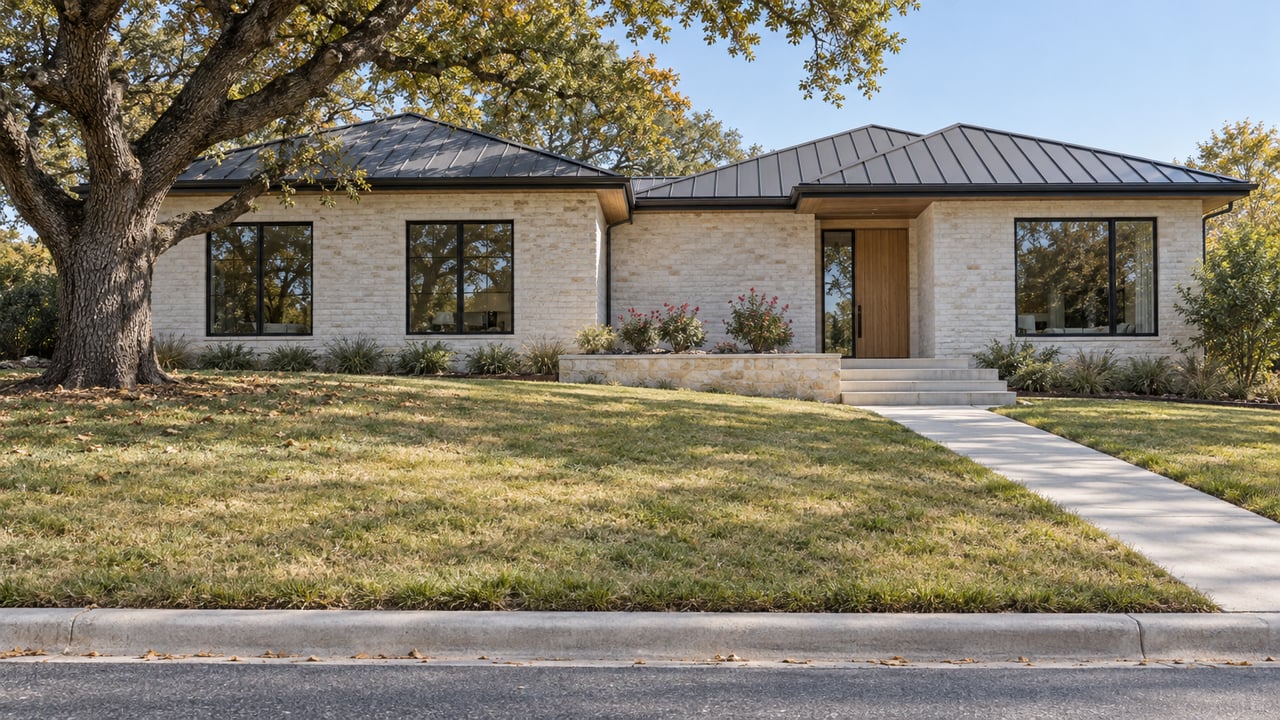
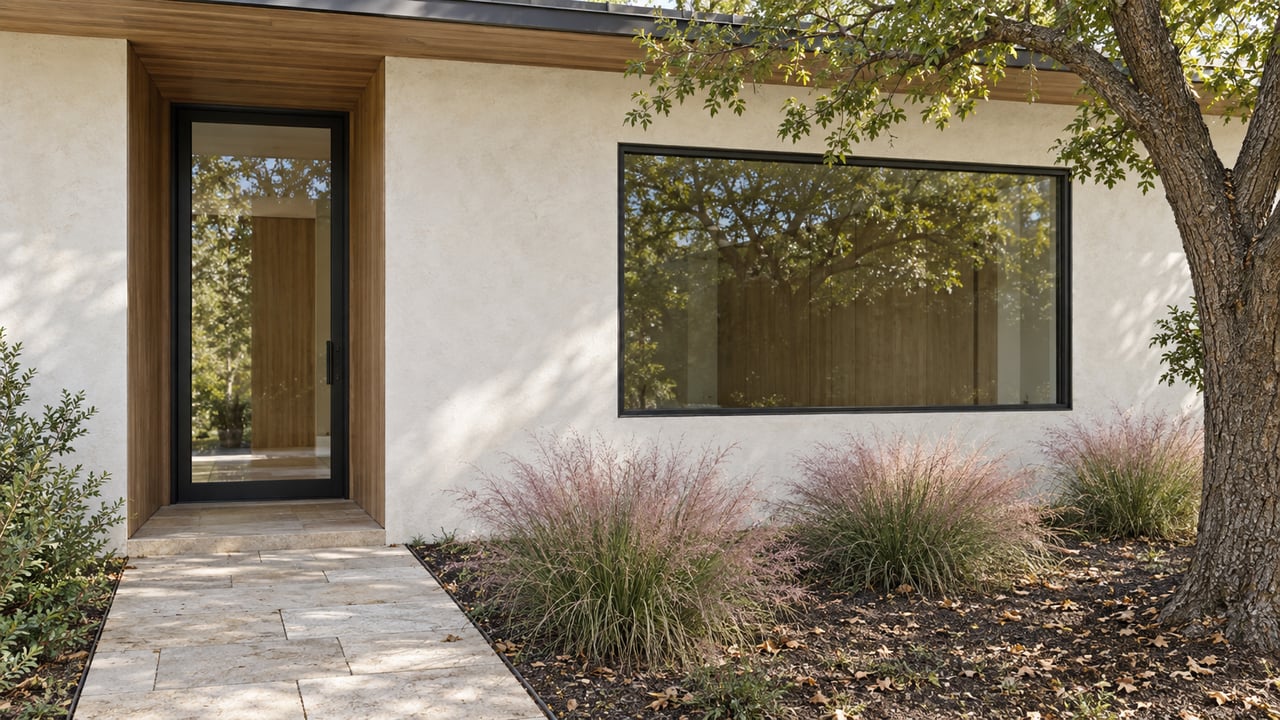
In West Lake Hills, modern homes often include updated contemporary houses and new custom builds. These properties usually focus on open layouts, cleaner lines, larger glass openings, and a stronger connection between indoor and outdoor living.
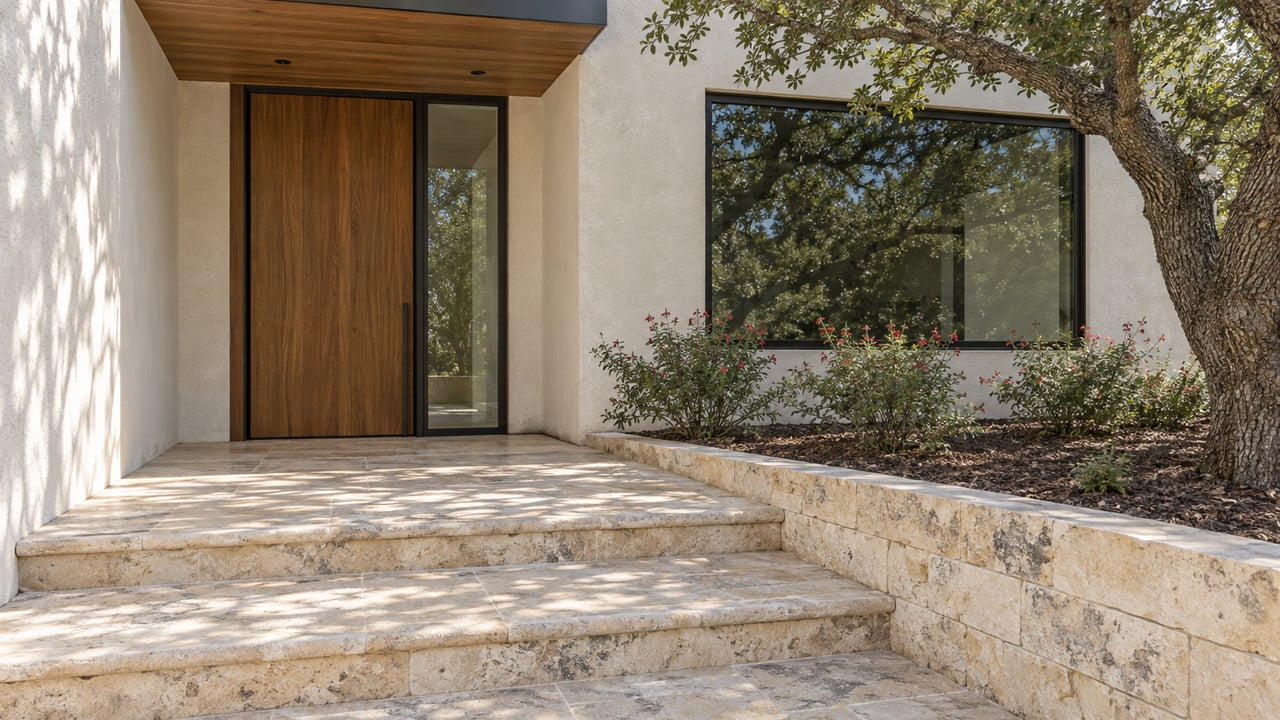
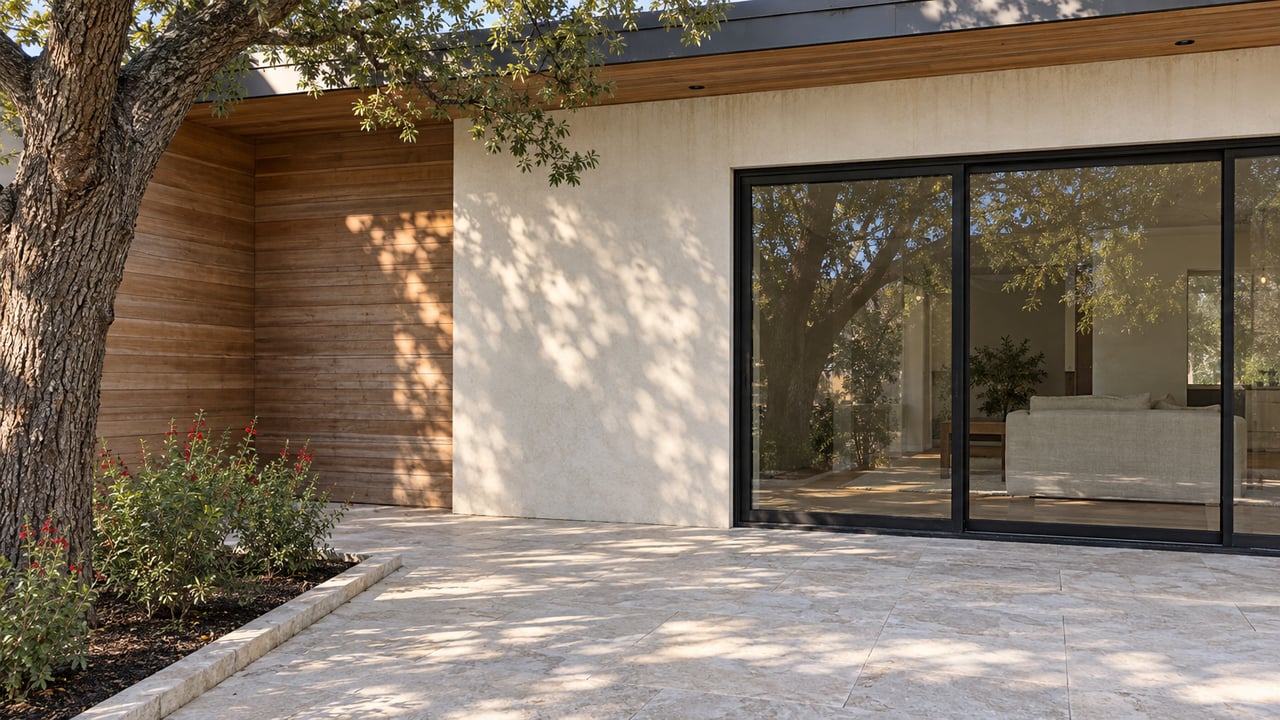
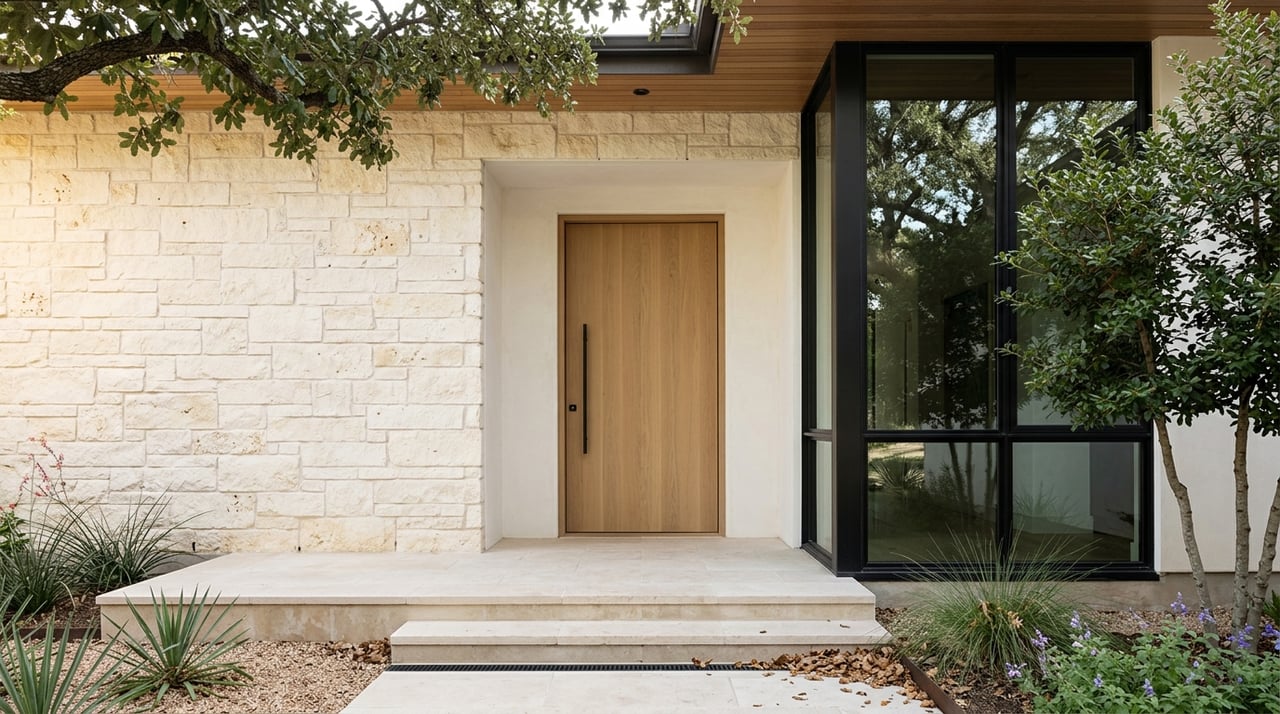
Many modern homes here are designed to capture hill views while still protecting privacy. You will often see limestone, metal, wood, and large-format glazing paired with covered patios, terraces, and pools. The overall look tends to feel lighter, more current, and more intentionally connected to the surrounding landscape.
What modern homes often offer
Modern homes can be especially appealing if you want a layout that feels easy to live in every day. Kitchen, dining, living, and outdoor spaces are often designed to flow together. That can make entertaining simpler and daily routines more comfortable.
Newer custom builds also tend to provide more flexibility in the floor plan. Because they are often designed around the lot from the start, they may include larger kitchens, better mudroom function, stronger primary suites, and more thoughtful transitions to outdoor areas.
Where modern homes shine
Modern architecture often works especially well on steeper or more complex sites. A contemporary design can break the home into multiple volumes, step with the slope, or tuck part of the structure into the hillside. That can be a practical advantage in West Lake Hills, where terrain is a major part of the design equation.
These homes also tend to be strong candidates for buyers who prioritize views. Larger expanses of glass and more deliberate orientation can make the most of treetop or hilltop outlooks. Covered outdoor rooms also help balance privacy, shade, and usability.
What to think about with modern homes
A more glass-forward home can require more attention to glazing, seals, and heat exposure over time. Exposed terraces and outdoor living areas may also call for ongoing upkeep, especially on lots with intense sun or weather exposure. Newer systems can help reduce some maintenance inside the home, but exterior performance still matters.
If you are considering a new build or major remodel, permitting also matters. West Lake Hills requires permits for remodels, additions, and new construction, and larger projects can take months to permit. Variance requests can add even more time, so timeline expectations should stay realistic.
Traditional homes in West Lake Hills
In this market, “traditional” usually includes mid-century and ranch-era homes along with classic Texas stone and Hill Country-inspired properties. These homes are a major part of West Lake Hills’ identity and often feel deeply tied to the land.
Rather than chasing one specific style trend, traditional homes here often emphasize natural materials, lower profiles, and a more grounded relationship to the lot. They can range from compact one-story ranch layouts to larger stone homes with wings, porches, and courtyards.
Mid-century and ranch-era appeal
Mid-century and ranch-era homes are some of the clearest architectural signatures in West Lake Hills. They often feature one-story or split-level layouts, broad rooflines, large windows, and strong connections to patios or backyards. On the right lot, that horizontal design can feel effortless and timeless.
These homes are a good fit if you want easier circulation, fewer stairs, and a house that feels connected to the site. Outdoor living is often built into the architecture rather than added later. Rear terraces, gardens, and pools can feel like a natural extension of the interior.
Texas stone and Hill Country character
Stone homes in West Lake Hills often lean on limestone, wood, stucco accents, and earth-tone finishes. They usually feel more anchored and sheltered than glassier contemporary homes. Porches, courtyards, and screened outdoor spaces often play a big role in the overall design.
This style tends to appeal to buyers who want privacy, shade, and a home that blends into the landscape. In a wooded setting like West Lake Hills, that look can feel especially natural. It also aligns closely with the city’s preference for native materials and subdued visual impact.
What to think about with traditional homes
Older mid-century and ranch homes may need updates. Smaller closets, tighter kitchens, and fewer ensuite baths are common tradeoffs compared with newer construction. If you love the character, it is worth thinking through whether you want a home that is already updated or one that leaves room for future improvement.
Stone homes can feel lower-maintenance visually, but they still need attention to drainage, roofing, and moisture management, especially on sloped lots. In West Lake Hills, the site itself often creates as much maintenance planning as the house.
The lot may matter more than the style
This is the key point for West Lake Hills buyers: site fit matters more than labels. The city’s planning approach places strong emphasis on preserving natural terrain, limiting unnecessary clearing, and protecting the visual character of hillsides and ridgelines.
Flatter or gently rolling lots often pair well with ranch-style homes because the home can spread out naturally across the site. Split-level plans can also adapt well to moderate grade changes. On steeper lots, contemporary or custom homes often make more sense because they can step with the land instead of fighting it.
Tree preservation is another major factor. West Lake Hills requires permits for most vegetation removal beyond routine gardening, pruning, or dead-brush cleanup. Mature trees can add privacy and beauty, but they also affect siting, maintenance, and what is possible in a remodel.
Outdoor living is part of the decision
In West Lake Hills, outdoor living is not a side feature. It is often central to how a home performs day to day. Whether you are looking at a traditional stone home or a newer contemporary, patios, terraces, porches, and pools should be evaluated as part of the full design.
That said, outdoor improvements are also subject to site constraints. For single-family residential properties of 0.5 acre or larger, the city sets a maximum impervious-cover limit of 25%. Drainage plans are also required for new projects, which means additions like decks, pools, and expanded hardscape can affect what is feasible on a given lot.
If outdoor entertaining is high on your list, this is where local guidance matters. A beautiful design idea still has to work with the property’s slope, drainage, tree canopy, and coverage limits.
Remodel potential versus move-in readiness
One of the biggest choices in West Lake Hills is whether to buy character and renovate or pay more upfront for a home that already solves the hard problems. In this market, that decision carries more weight because permitting can be detailed and time-consuming.
The city notes that remodel, addition, and new-construction work all require permits, with separate permits needed for items such as roofing, pools, and fences. Larger reconstruction or new-construction projects can take months to permit. If a variance is needed, the timeline can extend by two to three months or longer.
That does not mean renovation is the wrong path. It simply means you should go in with a clear understanding of process, timing, and site limitations. In West Lake Hills, the easiest homes to own long term are often the ones that already handle drainage, privacy, views, and tree preservation well.
Which style fits your goals?
If you value open planning, larger windows, and a more current indoor-outdoor feel, a modern home may be the better fit. It can also be the stronger option on a steeper lot where custom design helps the house work with the terrain.
If you prefer warmth, character, and a home that feels more rooted to the landscape, a traditional home may suit you better. Mid-century, ranch, and Texas stone homes often offer a sense of place that is hard to replicate.
For many buyers, the right answer is not strictly modern or traditional. It is a thoughtfully updated home that keeps the best parts of the original architecture while improving layout, finish level, and livability. In West Lake Hills, that balance often feels especially compelling.
Why this choice matters in a premium market
West Lake Hills remains firmly in luxury territory, though pricing snapshots vary by source and methodology. Recent 2026 market trackers place the area around roughly $2.0 million in Zillow home value and around $2.7 million median pricing or listing and sold-home figures on Redfin and Realtor.com. The exact number is less important than the broader takeaway: this is a premium, supply-constrained market.
That is why style decisions should be tied to long-term usefulness, not just appearance. Properties that already solve for siting, drainage, privacy, tree preservation, and views are often in the strongest position over time. In a market like this, thoughtful design and lot compatibility can matter as much as square footage.
If you are weighing modern versus traditional homes in West Lake Hills, the smartest move is to compare not just finishes and floor plans, but also how each home responds to the land. If you want help evaluating architecture, lot fit, and off-market opportunities in West Lake Hills, connect with John Lairsen (Travis Real Estate).
FAQs
What is the main difference between modern and traditional homes in West Lake Hills?
- Modern homes usually emphasize open layouts, larger glass areas, and stronger indoor-outdoor flow, while traditional homes often focus on natural materials, lower profiles, and a more grounded relationship to the lot.
Which home style works best on a steep lot in West Lake Hills?
- Contemporary and custom homes often work well on steeper lots because they can step with the terrain, break the structure into volumes, and better adapt to views and slope conditions.
Are mid-century homes common in West Lake Hills?
- Yes. Mid-century and ranch-era homes are a major part of West Lake Hills’ older housing stock and remain one of the area’s most recognizable architectural styles.
What should buyers know about remodeling a home in West Lake Hills?
- West Lake Hills requires permits for remodels, additions, and new construction, and larger projects can take months to permit. Variance requests can add additional time.
How do trees and vegetation affect home choices in West Lake Hills?
- Trees are a major part of the area’s character, and most vegetation removal beyond routine gardening, pruning, or dead-brush cleanup requires a permit. Tree canopy can influence siting, maintenance, privacy, and remodel options.
Do outdoor features affect what you can build on a West Lake Hills lot?
- Yes. On single-family residential properties of 0.5 acre or larger, the city sets a maximum 25% impervious-cover limit, and drainage plans are required for new projects, which can affect pools, patios, decks, and additions.