Selling a waterfront home on Lake Austin is different from selling a typical property. Buyers are not just looking at your square footage and finishes. They are judging the shoreline, dock condition, lake access, and whether the property looks easy to maintain and ready to enjoy. If you want to make a strong first impression and avoid last-minute surprises, it helps to prepare both the home and the waterfront side with care. Let’s dive in.
Start with the waterfront first
On a Lake Austin property, the shoreline often shapes a buyer’s opinion before they ever step inside. Because Lake Austin is a pass-through reservoir with a constant water level and an important drinking-water role, the condition of the dock, shoreline appearance, and anything that affects water quality can influence how the property is perceived.
That means your prep plan should begin at the water’s edge. A tidy dock line, clear access to the lake, and landscaping that feels intentional can make the whole property show better in photos and in person.
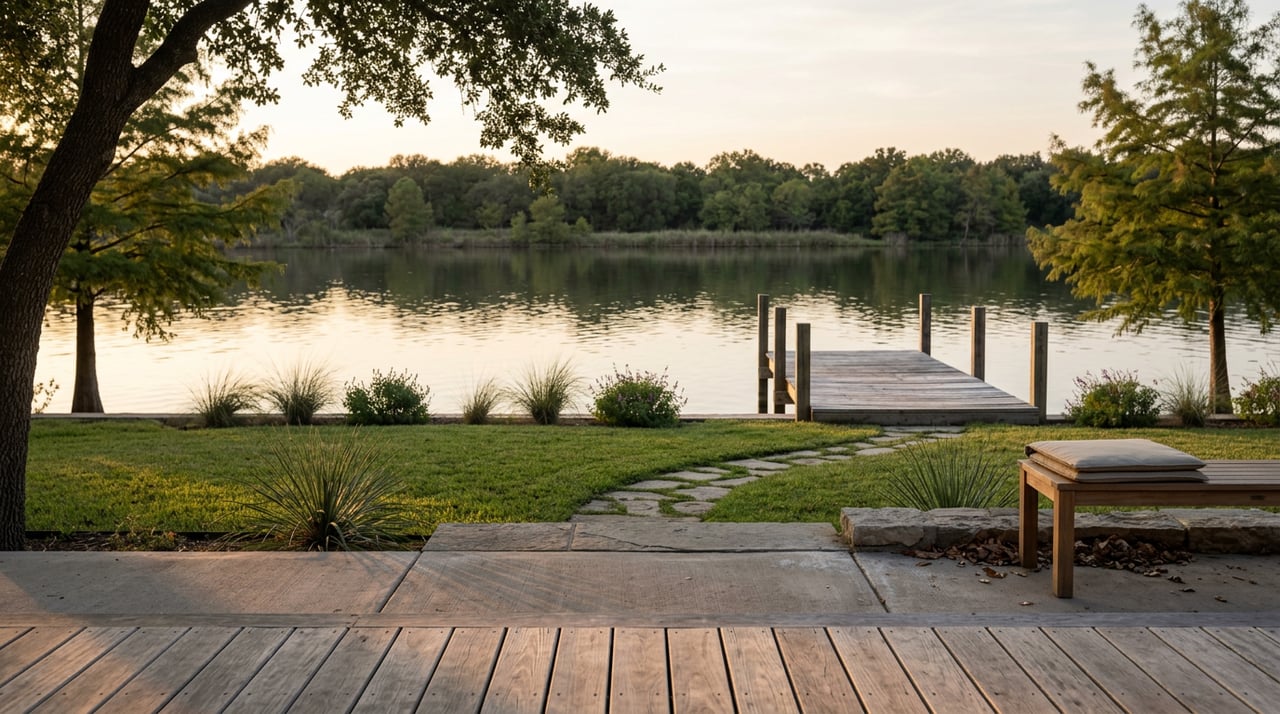
Focus on dock-edge presentation
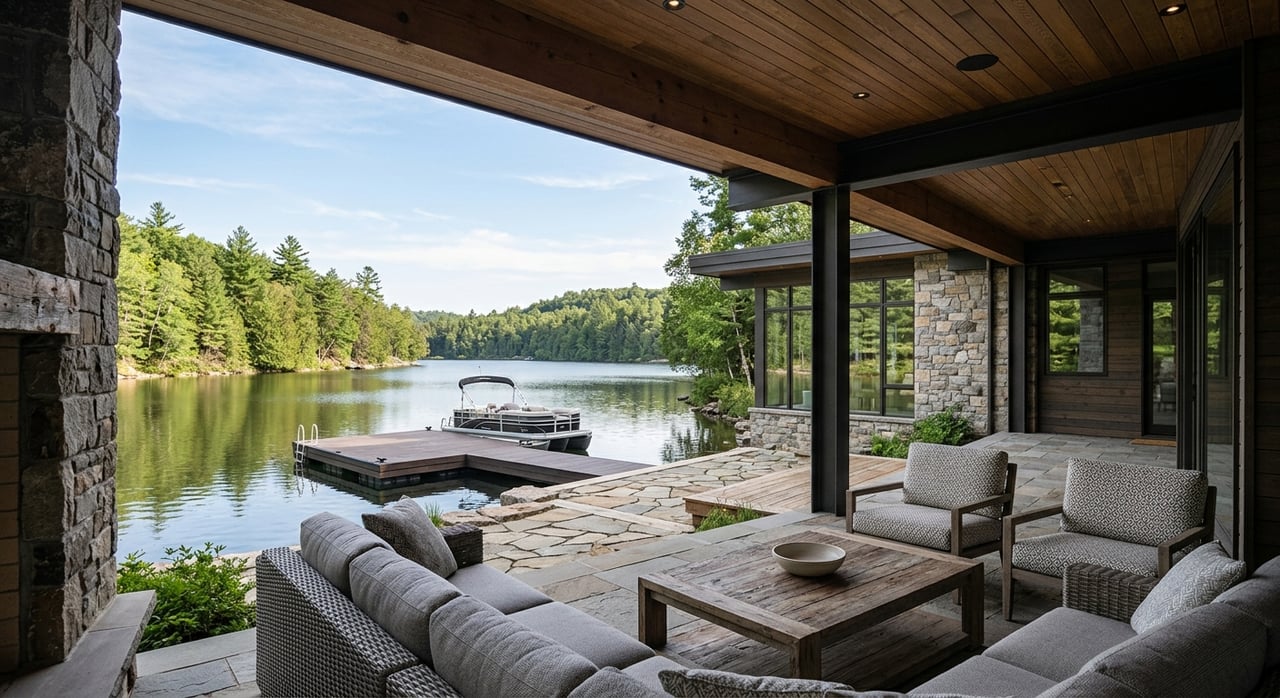
Simple improvements can go a long way. Clean the dock surfaces, remove clutter, and make sure the area feels open and usable. If you have outdoor furniture, keep it minimal and well placed so the space feels polished rather than crowded.
The goal is to help buyers picture an easy lake lifestyle. A clean, well-kept dock area sends that message quickly.
Address aquatic vegetation early
Aquatic vegetation can affect presentation more than many sellers expect. In the City of Austin’s February 2026 survey, officials reported 592 acres of hydrilla and 58 acres of Eurasian watermilfoil in Lake Austin. Hydrilla was especially concentrated in the upper five miles below Mansfield Dam, while the middle part of the lake had relatively little and the lower lake still had heavy shoreline growth in coves and sloughs.
For sellers, the takeaway is simple. If your property has visible vegetation around the dock or shoreline, deal with it before photos and showings. Buyers notice whether the water access looks clear and usable.
Match prep to your stretch of the lake
Not every part of Lake Austin needs the same level of waterfront grooming. Homes closer to Mansfield Dam may need more dock-side vegetation cleanup, while lower-lake properties and homes in coves or sloughs may still need careful shoreline attention because growth can remain dense there.
A targeted prep plan usually works better than a one-size-fits-all approach. The right work depends on what a buyer will see from your dock, shoreline, and primary outdoor living spaces.
Improve curb appeal without creating permit issues
When you are getting ready to sell, it is tempting to take on bigger waterfront projects. On Lake Austin, that can create problems if the work crosses into regulated territory.
The City of Austin draws a clear line between cosmetic updates and changes that may require permits or site-plan review. Knowing that difference can help you improve the property without slowing down your listing timeline.
What you can usually do
According to Austin’s boat-dock guidance, work that can generally be done without a permit includes:
- Painting
- Staining
- Limited landscaping
- Placing furniture
- Adding limited lighting
These are often the best seller-prep moves because they improve appearance without opening up a larger approval process.
What may trigger review or permits
More substantial work should be handled carefully. Austin identifies the following as permit-sensitive or site-plan-sensitive projects:
- Changing a dock structure
- New construction
- Replacing load-bearing components
- Adding walls
- Demolishing existing structure
- Expanding the footprint
- Working below underwater elevation
If you are considering a dock rebuild, bulkhead changes, or major shoreline-access work, do not treat those as quick cosmetic fixes. Those projects may involve review requirements and can affect your listing schedule.
Understand limited maintenance exceptions
Austin notes that a site plan exemption can apply to simple dock re-decking, some maintenance and repair work, and limited bulkhead repair under specific conditions. The city also requires an approved site plan before a residential or commercial boat-dock building permit can be issued.
In practice, this means it is wise to verify the scope of any planned work before crews start. The last thing you want is a visible improvement project that raises compliance questions during marketing or due diligence.
Check dock and shoreline compliance before listing
One of the biggest risks for waterfront sellers is assuming the property is compliant because it has looked the same for years. Buyers of Lake Austin homes often pay close attention to paperwork, especially when docks, shoreline features, and outdoor structures are involved.
Before your listing goes live, confirm that the waterfront side of the property is in good order.
Confirm dock registration
The City of Austin requires boat-dock registration for Lake Austin structures. Residential dock registrations must be renewed every five years, while commercial registrations renew every two years.
If your registration is outdated, it is better to address that before buyers start asking questions. This is a small step that can reduce friction later.
Make sure dock signage is correct
Austin also regulates dock signage. The dock address must be displayed on the lakeward side of the dock, facing the centerline of the lake or slough, above normal pool elevation, in letters and numbers at least two inches high and made from durable, UV-resistant materials.
This may seem minor, but it matters. Proper signage supports compliance and helps the dock look finished and orderly in listing photos.
Use the right process for vegetation removal
If you need to clear nuisance vegetation around the dock, Austin says lakefront residents and business owners may obtain a free Texas Parks and Wildlife permit for aquatic vegetation removal, and the contractor doing the work should be permitted by TPWD.
Austin also recommends mechanical removal for localized hydrilla relief around shoreline areas. Herbicides are not allowed in Lake Austin, and removed hydrilla should be disposed of properly or composted.
Review floodplain and easement concerns
Even a polished waterfront home can raise red flags if floodplain or easement issues have not been reviewed. Austin notes that about 10% of city land is in the floodplain and that every creek and lake has a floodplain whether mapped or not.
That is why a lakefront seller should not assume a stable-looking lot is free of concerns. Floodplain and drainage details can still affect how buyers evaluate improvements and future use.
Watch for drainage easement conflicts
Austin states that permanent structures generally are not allowed in drainage easements. The city also advises avoiding trees or intensive landscaping in those easement areas if they could block water flow or limit maintenance access.
If your shoreline landscaping or exterior improvements have grown over time, now is the right moment to review whether anything needs attention. It is much easier to sort that out before marketing than during contract negotiations.
Prepare the interior with a waterfront mindset
Once the exterior is under control, move inside. Buyers touring a Lake Austin waterfront home expect the interior to support the same message as the outside: clean, calm, and ready to enjoy.
That does not always mean a major remodel. Often, the most effective updates are simple ones that help the home feel bright, well maintained, and in sync with the waterfront setting.
Prioritize clean, light cosmetic updates
Fresh paint, cleaned surfaces, and restrained styling usually offer the best return during seller prep. Keep furnishings and decor simple enough that buyers focus on the architecture, the views, and the indoor-outdoor connection.
If a room competes with the lake instead of complementing it, it may be worth simplifying before showings begin.
Build your disclosure package early
Waterfront homes often have more moving parts than standard homes. That is why it helps to start assembling records and disclosures before photography, staging, and active marketing begin.
In Texas, the seller’s disclosure process is an important part of getting ahead of questions instead of reacting to them later.
Use the current Texas disclosure form
As of May 17, 2026, TREC’s current Seller’s Disclosure Notice is Form 55-0, effective September 1, 2023, for previously occupied single-family residences. TREC has also adopted a revised version with a later effective date, so the exact form should be confirmed before publication or contract use if your listing will run after that change takes effect.
Texas Property Code Section 5.008 and the TREC form require disclosure of material facts and the physical condition of the property. The notice is not a substitute for inspections or warranties.
Gather the records buyers may ask for
If you want a smoother sale, organize the paperwork early. Depending on the property, that may include records related to:
- Unpermitted alterations
- HOA fees or assessments
- Common-area interests
- Notices of violations
- Lawsuits
- Material health or safety conditions
- Rainwater-harvesting systems over 500 gallons that use a public water supply as an auxiliary source
For waterfront homes, it is also smart to keep dock, bulkhead, and remodel documentation together in one place.
Close out any open permit items
If the property has had dock work, bulkhead work, or major remodeling, make sure permit inspections have been completed and records are available. Austin allows permit holders, homeowners listed as general contractor, trade contractors, or authorized agents to schedule building inspections online or by phone, and the permit holder or owner-general contractor is responsible for keeping the inspection sequence in order.
Open permit questions can slow down a transaction. Closing those loops before listing helps buyers feel more confident.
Do not skip a pre-list inspection
A pre-list inspection can be especially helpful for a Lake Austin home. Since the seller’s disclosure is not a substitute for inspections, an early inspection can help you spot issues before they become negotiation points.
With waterfront properties, that extra step often brings clarity. It gives you time to decide what to repair, what to disclose, and how to position the home in the market.
Keep your prep plan simple and strategic
The strongest Lake Austin listings usually do not win because the seller over-improved everything. They win because the property feels well cared for, compliant, visually clean, and easy to understand.
Start outside with the dock, shoreline, vegetation, and documentation. Then move inward to cosmetic updates, inspection prep, and disclosures. On Lake Austin, the waterfront is not just a backdrop. It is part of what you are selling.
If you are preparing a Lake Austin waterfront home for sale and want a polished, practical strategy, John Lairsen (Travis Real Estate) can help you plan the details that matter before your home hits the market.
FAQs
What should you do first when preparing a Lake Austin waterfront home for sale?
- Start with the waterfront side of the property, including the dock, shoreline, vegetation, and compliance items, because buyers often form their first impression from the water-facing features.
Can you update a Lake Austin dock area without a permit?
- Austin says painting, staining, limited landscaping, placing furniture, and adding limited lighting can generally be done without a permit, while structural changes and expansion work may require review.
Do you need to address hydrilla before listing a Lake Austin home?
- Yes, especially if vegetation affects the dock, shoreline access, or listing photos, since hydrilla remains a presentation issue in some parts of Lake Austin, particularly near the upper lake and in some coves and sloughs.
What is a common compliance issue for Lake Austin waterfront sellers?
- Common issues include unpermitted dock or shoreline work, outdated dock registration, and floodplain or drainage easement concerns.
Should you get a pre-list inspection for a Lake Austin waterfront property?
- Yes, a pre-list inspection can help you identify condition issues early, since Texas seller disclosures are not a substitute for inspections and waterfront homes often involve more components than standard properties.